10 Basic Ways How to Use Kelp Meal
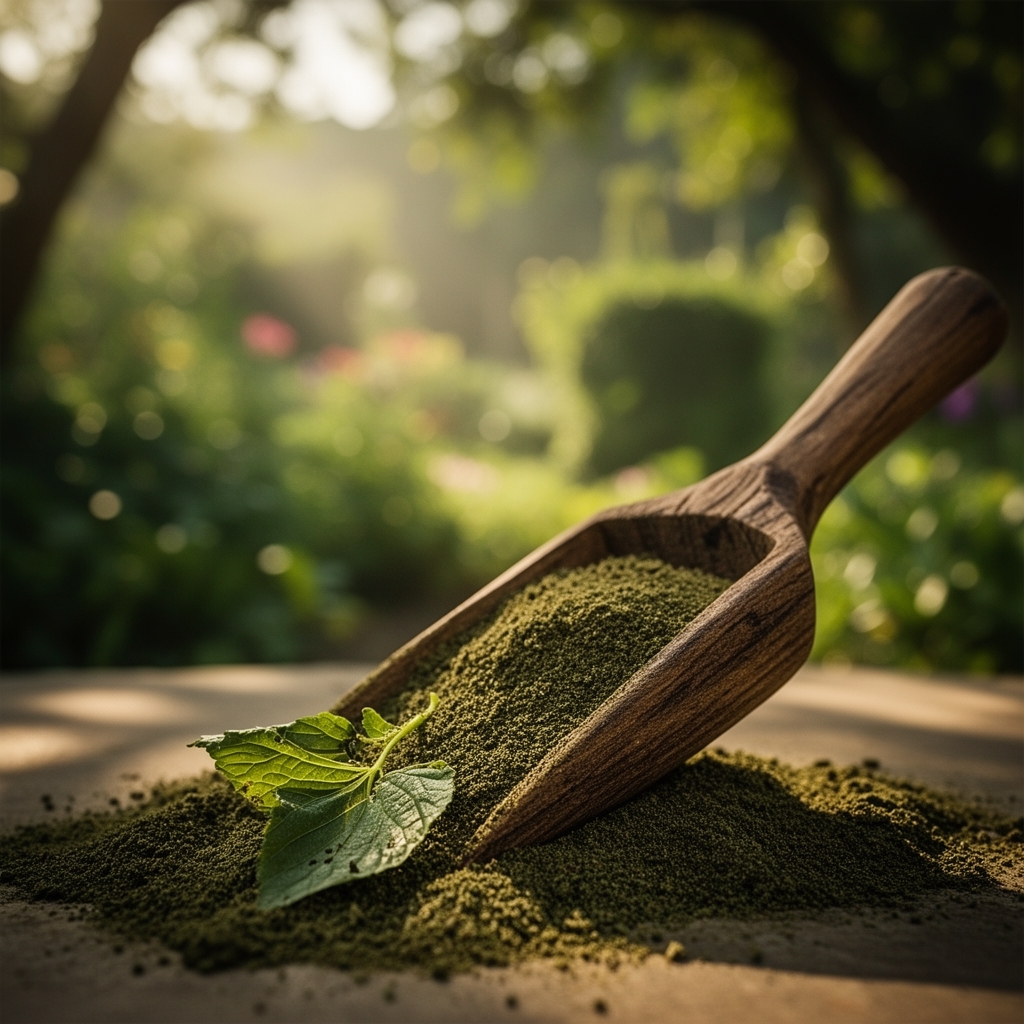
The ocean delivers nitrogen in a cold-water package. When you learn how to use kelp meal, you connect your garden soil to the mineral wealth of the kelp forests that stretch along rocky coastlines. This brown seaweed, harvested and dried into a coarse powder, carries trace elements that terrestrial fertilizers rarely supply: iodine, boron, magnesium, and over sixty micronutrients locked in a matrix that soil microbes can digest slowly across an entire growing season.
Materials
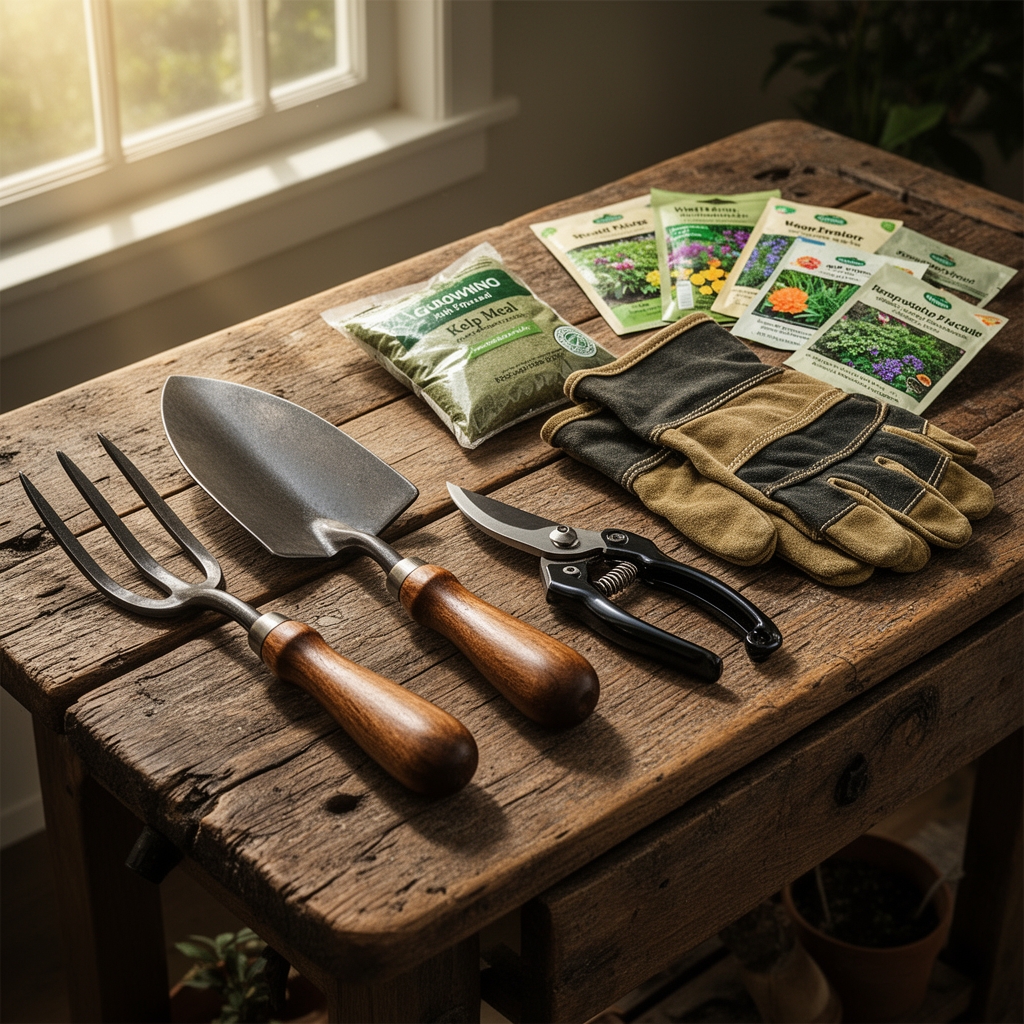
Kelp meal typically analyzes at 1-0.1-2 NPK, a ratio that makes it a supplement rather than a primary nitrogen source. The pH hovers near neutral, between 6.8 and 7.2, which allows direct incorporation into beds without risk of acid shock. Purchase cold-processed kelp meal rather than heat-dried versions. High temperatures destroy cytokinins, gibberellins, and other plant growth regulators that distinguish kelp from conventional mineral fertilizers. Store the meal in a sealed container away from moisture. Clumping indicates humidity intrusion, which activates enzymatic breakdown and reduces shelf life from two years to six months. Pair kelp meal with blood meal (12-0-0) or feather meal (13-0-0) when growing brassicas or leafy greens that demand higher nitrogen. Combine it with bone meal (3-15-0) for fruiting crops that require phosphorus during flower set.
Timing
Apply kelp meal four weeks before the last expected spring frost in Zones 3 through 7. Soil temperatures must reach 45 degrees Fahrenheit to activate microbial populations capable of breaking down the polysaccharides in kelp tissue. In Zones 8 through 10, work kelp into beds during the autumn planting window for winter brassicas and alliums. The slow-release nature of kelp meal means nutrients become available over ninety to one hundred twenty days. Top-dress perennials in early March before bud break. For annual vegetables, incorporate kelp at transplant time and again at fifty percent of the crop's maturity date. Fall applications benefit spring bulbs and garlic planted in October, giving the meal time to integrate into the soil food web before winter dormancy.
Phases
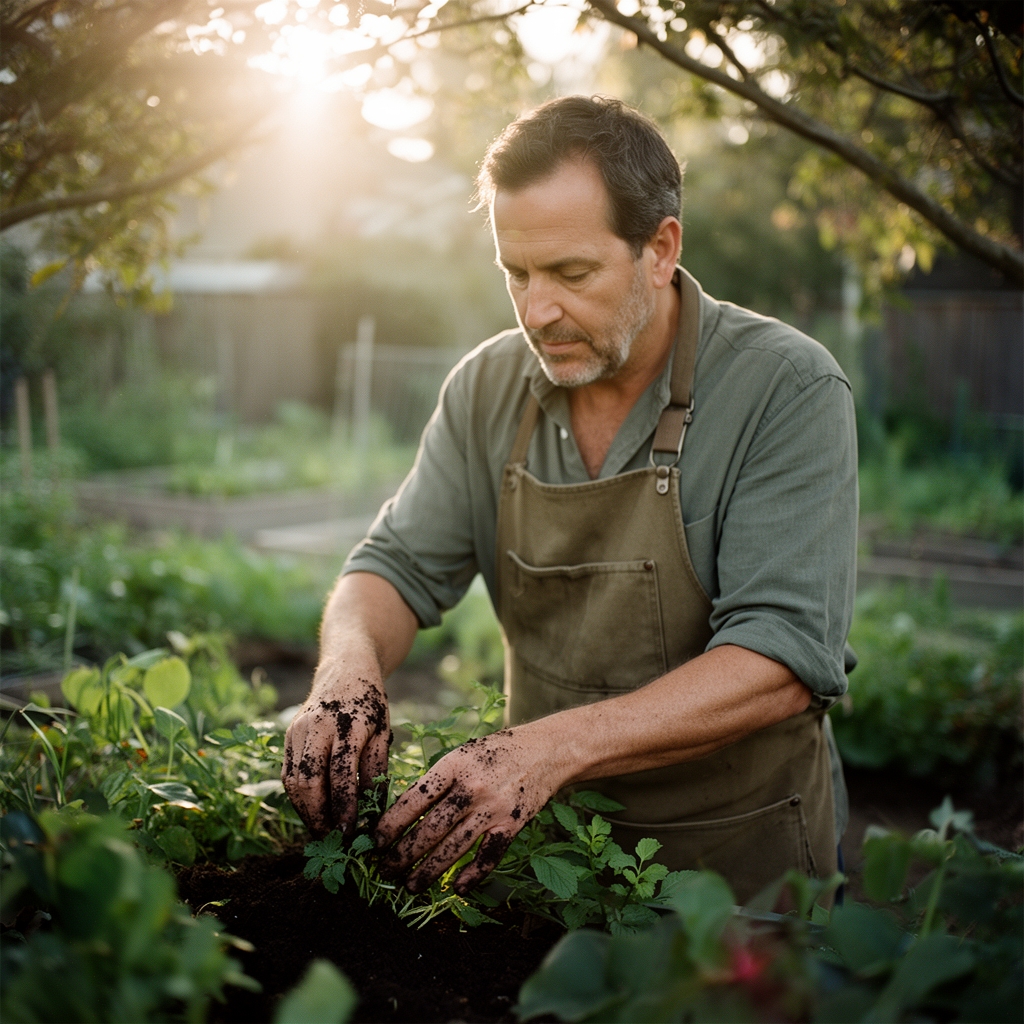
Sowing: Broadcast one-quarter cup of kelp meal per ten square feet of prepared bed. Rake the meal into the top two inches of soil. Water immediately to prevent wind loss and initiate microbial colonization. Kelp's alginic acid binds soil particles, improving aggregate stability and cation exchange capacity. Seed directly into this amended zone within forty-eight hours.
Pro-Tip: Dust large seeds like beans, peas, and squash with a blend of kelp meal and mycorrhizal fungi inoculant at a 3:1 ratio before planting. The cytokinins in kelp stimulate root hair proliferation, accelerating fungal hyphal attachment.
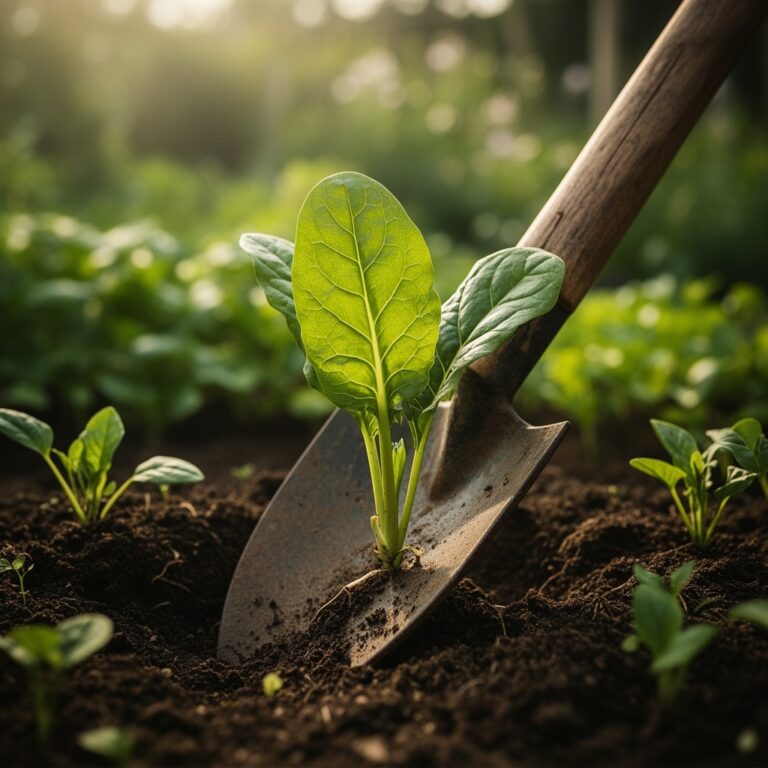
Transplanting: Dig a hole twice the diameter of the root ball. Sprinkle one tablespoon of kelp meal in the base of the hole and mix with native soil. Position the transplant so the root crown sits level with the surrounding grade. Backfill and water with a kelp tea made by steeping one-half cup of meal in one gallon of water for twelve hours. This liquid application delivers auxins that reduce transplant shock and promote lateral root formation.
Pro-Tip: For tomatoes and peppers, bury the stem up to the first true leaves. The submerged stem segment will generate adventitious roots that access the kelp-enriched soil layer.
Establishing: Side-dress established plants six weeks after transplanting. Apply two tablespoons of kelp meal in a ring eight inches from the stem base. Scratch the meal into the soil surface with a hand cultivator, then irrigate with one inch of water. Repeat every six weeks until two weeks before the first expected frost. Perennials like asparagus and rhubarb benefit from a heavier autumn application of one-half cup per crown, applied after the foliage dies back.
Pro-Tip: Foliar spray young plants every two weeks with kelp tea strained through cheesecloth. Apply in early morning when stomata are open. This method delivers potassium directly to leaf tissue, improving disease resistance and stress tolerance.
Troubleshooting
Symptom: Yellowing lower leaves with green veins (interveinal chlorosis).
Solution: Kelp meal supplies magnesium, but heavy rain or over-irrigation can leach it beyond the root zone. Apply Epsom salt at one tablespoon per gallon of water as a foliar spray.
Symptom: Stunted growth and purple leaf undersides.
Solution: Phosphorus deficiency persists despite kelp application when soil pH drops below 6.0. Test soil and amend with lime to raise pH to 6.5, then reapply kelp meal.
Symptom: Blossom end rot on tomatoes and peppers.
Solution: Kelp contains calcium, but inconsistent watering prevents uptake. Mulch with two inches of straw and maintain even soil moisture at one inch per week.
Symptom: Aphid colonies on new growth.
Solution: Kelp increases plant vigor, but excess nitrogen from supplemental fertilizers causes succulent tissue attractive to aphids. Reduce nitrogen inputs and spray aphids with insecticidal soap.
Maintenance
Water transplants daily for the first week, delivering one-half inch per session. Reduce frequency to twice weekly, increasing volume to one inch per application. Mulch beds with shredded leaves or straw to conserve moisture and regulate soil temperature. Kelp meal breaks down faster in warm, moist soil. Monitor beds for nutrient deficiency symptoms every two weeks. Replenish kelp at six-week intervals, adjusting the rate based on plant growth and leaf color.
FAQ
How much kelp meal per plant?
Apply one tablespoon for seedlings, two tablespoons for transplants, and one-quarter cup for mature plants like tomatoes and squash.
Can kelp meal burn plants?
No. The low NPK ratio and slow-release nature prevent root burn, even with heavy applications.
Is kelp meal safe for organic gardens?
Yes, when sourced from certified organic suppliers. Check for OMRI listing on the package.
Does kelp meal attract pests?
No. The dry meal has no odor attractive to rodents or insects. Kelp tea may attract fungus gnats if applied excessively.
Can I use kelp meal in containers?
Yes. Mix one tablespoon per gallon of potting mix, or apply as a top-dressing every four weeks.