10 Pro Ways How to Use Greensand Soil
Greensand fractures between your fingers like ancient seabed, green-black granules carrying the mineral memory of ocean floors. The material releases potassium slowly, feeding roots for months while loosening clay-bound soils. Learning how to use greensand soil transforms gardens from sterile substrate into living systems where cation exchange capacity increases by 15-20% over a single season. This glauconite-rich amendment holds moisture without waterlogging, anchors trace minerals, and feeds the microbial networks that convert locked nutrients into plant-available forms.
Materials
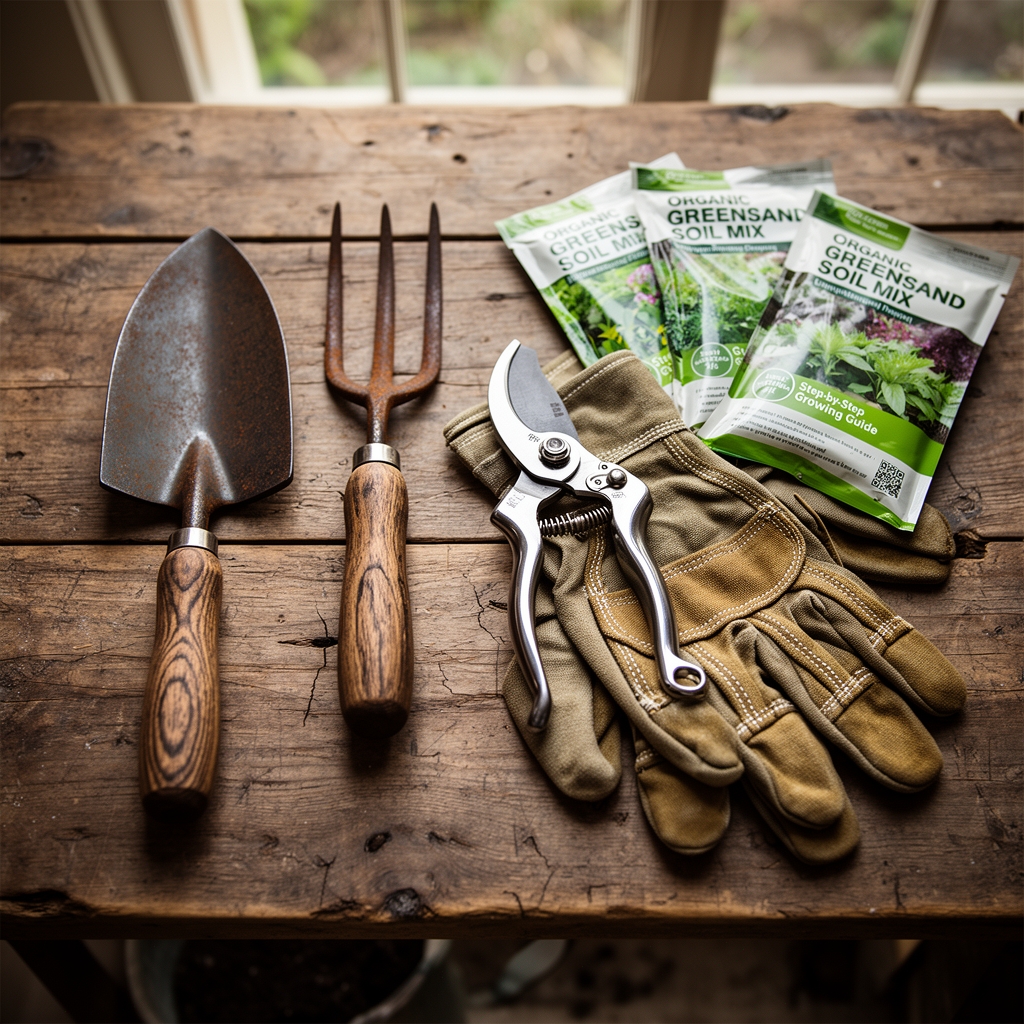
Greensand arrives as a powder or granular form, typically 0-0-3 NPK with 6-7% total potash. The iron-potassium silicate structure provides slow-release potassium over 4-8 years. Combine with alfalfa meal (2-1-2) for nitrogen support and kelp meal (1-0.5-2) for micronutrients. Supplement with rock phosphate (0-3-0) in phosphorus-deficient soils below pH 6.0. A balanced mix uses 5 pounds greensand per 100 square feet, 3 pounds alfalfa meal, and 1 pound kelp meal.
Greensand buffers pH toward neutral, working best in acidic soils between 5.5-6.5 where iron and potassium availability peaks. Cation exchange capacity increases as the irregular granules create surface area for nutrient adhesion. The material contains iron oxide (18-23%), magnesium oxide (3-7%), and silica (50-55%). Mycorrhizal fungi colonize more effectively in greensand-amended soil due to improved pore structure and mineral diversity.
Purchase certified organic greensand from New Jersey or Texas deposits. Store in sealed containers away from moisture to prevent premature caking. Mix with biochar at 10:1 ratio to extend nutrient retention by 40-60%.
Timing
Apply greensand in fall across USDA Hardiness Zones 3-9, six to eight weeks before first frost. The slow mineralization process requires winter freeze-thaw cycles to fracture granules and expose fresh surfaces. In Zones 8-10, apply in late January to early February when soil temperatures reach 45-50°F.
Spring applications work in Zones 3-5 when performed 4-6 weeks before last frost date. The material needs 60-90 days to integrate with soil microbiome and begin potassium release. Avoid application during active growth periods, as the gradual nutrient profile cannot address acute deficiencies.
Side-dress established perennials in June after spring flush completes. This timing supports late-season root development and carbohydrate storage. Reapply every 3-4 years as soil tests indicate potassium depletion below 150 ppm.
Phases
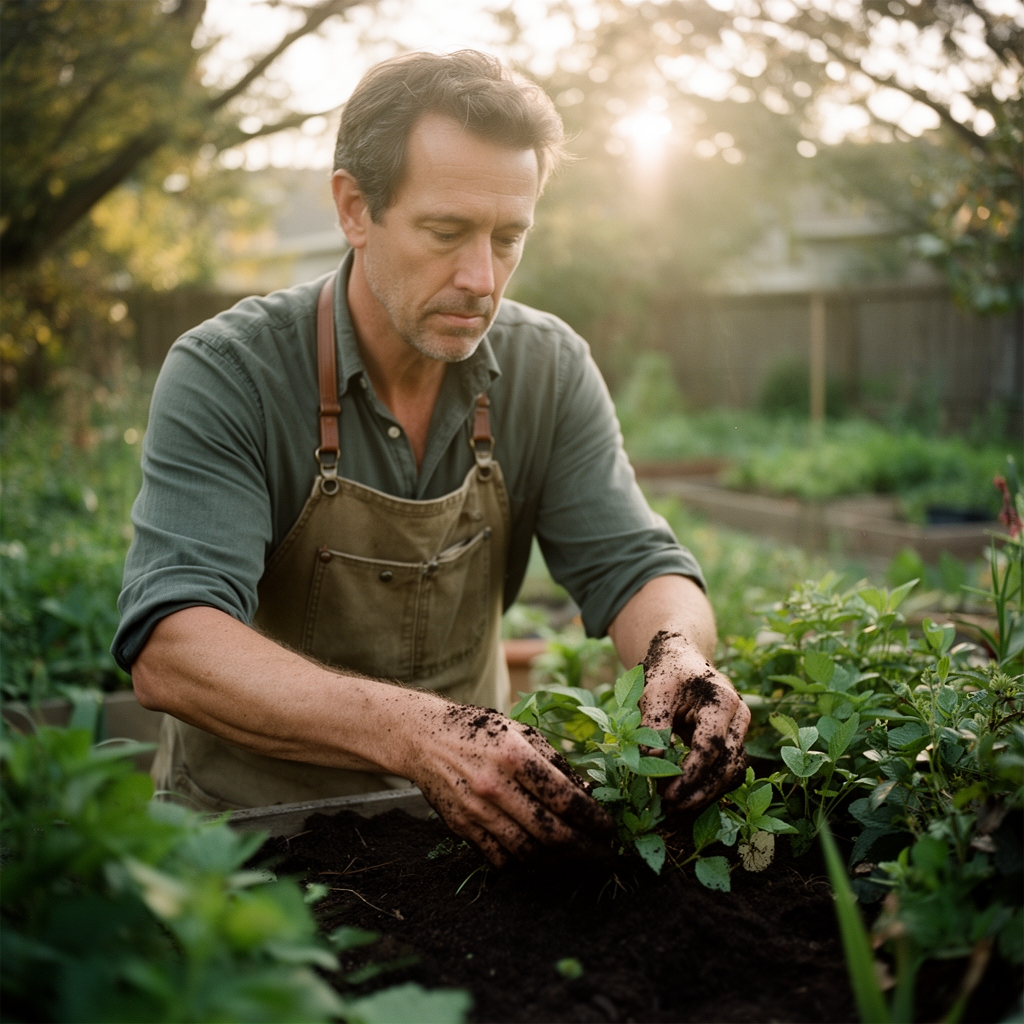
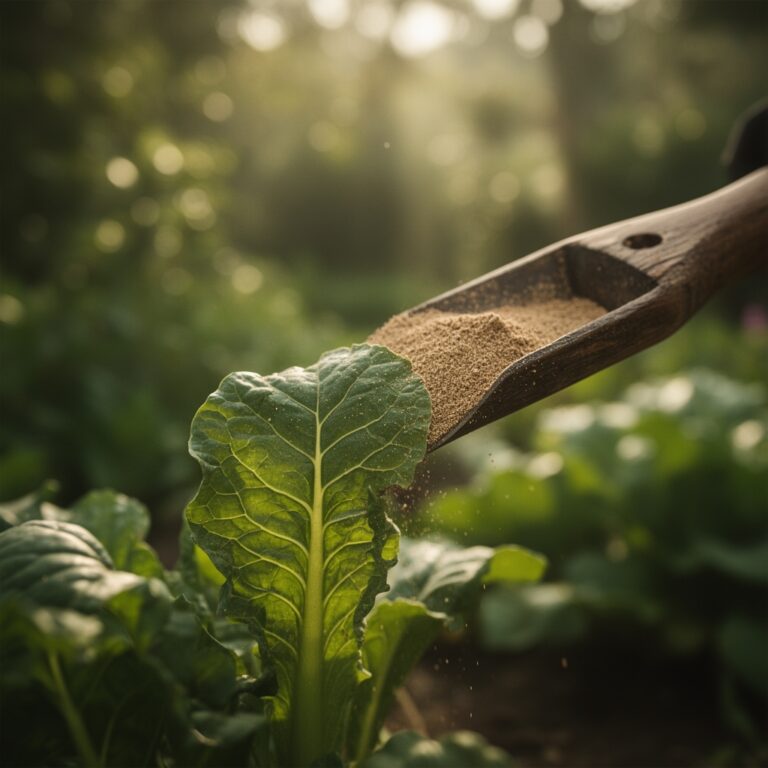
Sowing Phase: Till greensand into top 6-8 inches of soil four weeks before seeding. Broadcast 5-7 pounds per 100 square feet for vegetable beds, 3-4 pounds for ornamental borders. The granules create micropores that retain 30% more moisture than unamended clay. Water thoroughly to settle material into contact with soil particles.
Pro-Tip: Mix greensand with seed-starting medium at 1 tablespoon per gallon for tomatoes, peppers, and brassicas. The potassium supports cell wall development and disease resistance from germination.
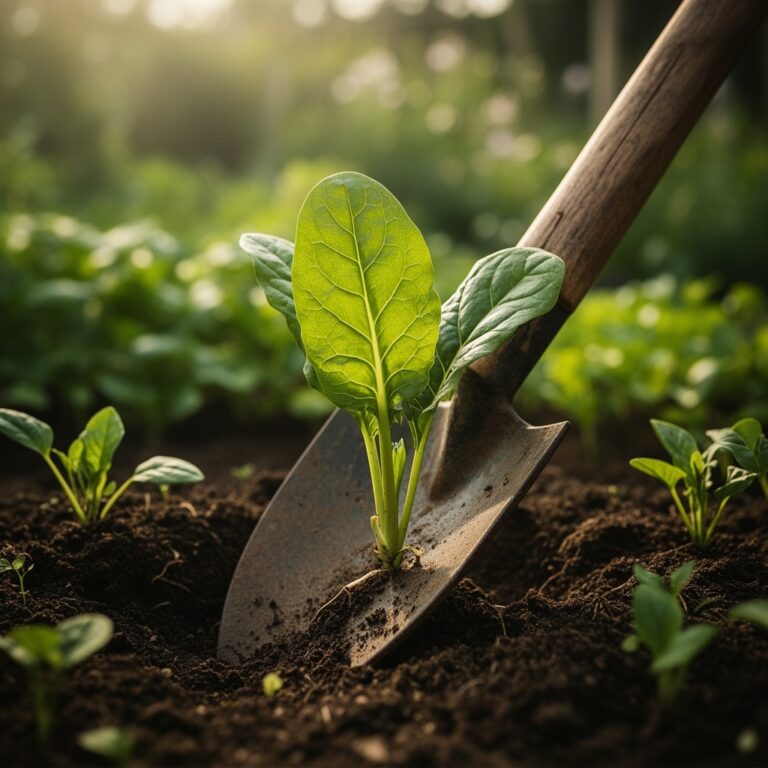
Transplanting Phase: Dig holes 12 inches deep and 10 inches wide. Place 1/4 cup greensand at hole bottom, cover with 2 inches native soil to prevent root burn. Position transplant and backfill with 50/50 greensand-amended soil mix. Water with 1 gallon per plant to eliminate air pockets and activate microbial colonization.
Pro-Tip: Inoculate roots with endo-mycorrhizae (Glomus intraradices) at 1 teaspoon per plant. Greensand's mineral profile accelerates hyphal growth by 35-45% compared to conventional soil.
Establishing Phase: Top-dress with 1/2 inch greensand layer around drip line eight weeks after transplanting. Scratch into top 2 inches without disturbing feeder roots. This secondary application supports flowering and fruiting as auxin distribution shifts from vegetative to reproductive growth.
Pro-Tip: Monitor new leaf growth for potassium deficiency symptoms (marginal chlorosis, scorched edges). Foliar spray with liquid kelp (1 tablespoon per gallon) provides immediate correction while greensand mineralizes.
Troubleshooting
Symptom: Yellowing between leaf veins with green venation intact indicates iron chlorosis. Greensand's iron content becomes unavailable in alkaline soils above pH 7.2.
Solution: Apply elemental sulfur at 1 pound per 100 square feet to reduce pH by 0.5 units. Chelated iron foliar spray provides temporary correction.
Symptom: Stunted growth with purple-tinged leaves signals phosphorus lockout. Greensand used alone lacks sufficient phosphorus for rapid growth phases.
Solution: Incorporate bone meal (3-15-0) at 2 pounds per 100 square feet or apply liquid fish emulsion (5-1-1) biweekly at 2 tablespoons per gallon.
Symptom: Wilting despite adequate moisture occurs when greensand application exceeds soil's buffering capacity in sandy soils.
Solution: Reduce application rate to 2-3 pounds per 100 square feet. Add compost at 2 inches depth to increase organic matter and water retention.
Symptom: Salt crust on soil surface appears when greensand combines with high-salt water in arid climates.
Solution: Leach soil with 2 inches of water weekly for three weeks. Switch to rainwater or reverse-osmosis water for irrigation.
Maintenance
Water deeply once weekly, delivering 1-1.5 inches measured with rain gauge. Greensand maintains consistent moisture at root zone, reducing frequency by 30-40% compared to unamended beds. Mulch with 3 inches shredded leaves or straw to prevent surface crusting.
Test soil pH and nutrient levels every 24 months using professional lab analysis. Potassium levels should stabilize between 180-250 ppm in vegetable gardens, 150-200 ppm in ornamental beds. Reapply greensand when tests show potassium below 150 ppm or cation exchange capacity drops more than 20%.
Rotate crop families annually to prevent nutrient depletion patterns. Heavy feeders like tomatoes and squash extract potassium rapidly despite greensand reserves. Follow with nitrogen-fixing legumes to restore balance.
FAQ
How long does greensand take to work?
Initial effects appear in 60-90 days as microbes colonize particle surfaces. Full mineralization occurs over 4-8 years with continued slow-release.
Can greensand burn plants?
No. The 0-0-3 analysis and slow-release mechanism prevent nutrient burn even at double recommended rates.
Does greensand work in containers?
Yes. Use 2 tablespoons per gallon of potting mix. The granules improve drainage while providing long-term potassium in confined root zones.
How does greensand compare to wood ash?
Wood ash provides immediate potassium but raises pH rapidly. Greensand releases slowly and buffers pH gradually toward neutral.
Should I use greensand with synthetic fertilizers?
Greensand works best in organic systems where microbial activity drives nutrient release. Synthetic salts can inhibit beneficial bacteria by 40-60%.