6 Simple Steps to Use Alfalfa Meal
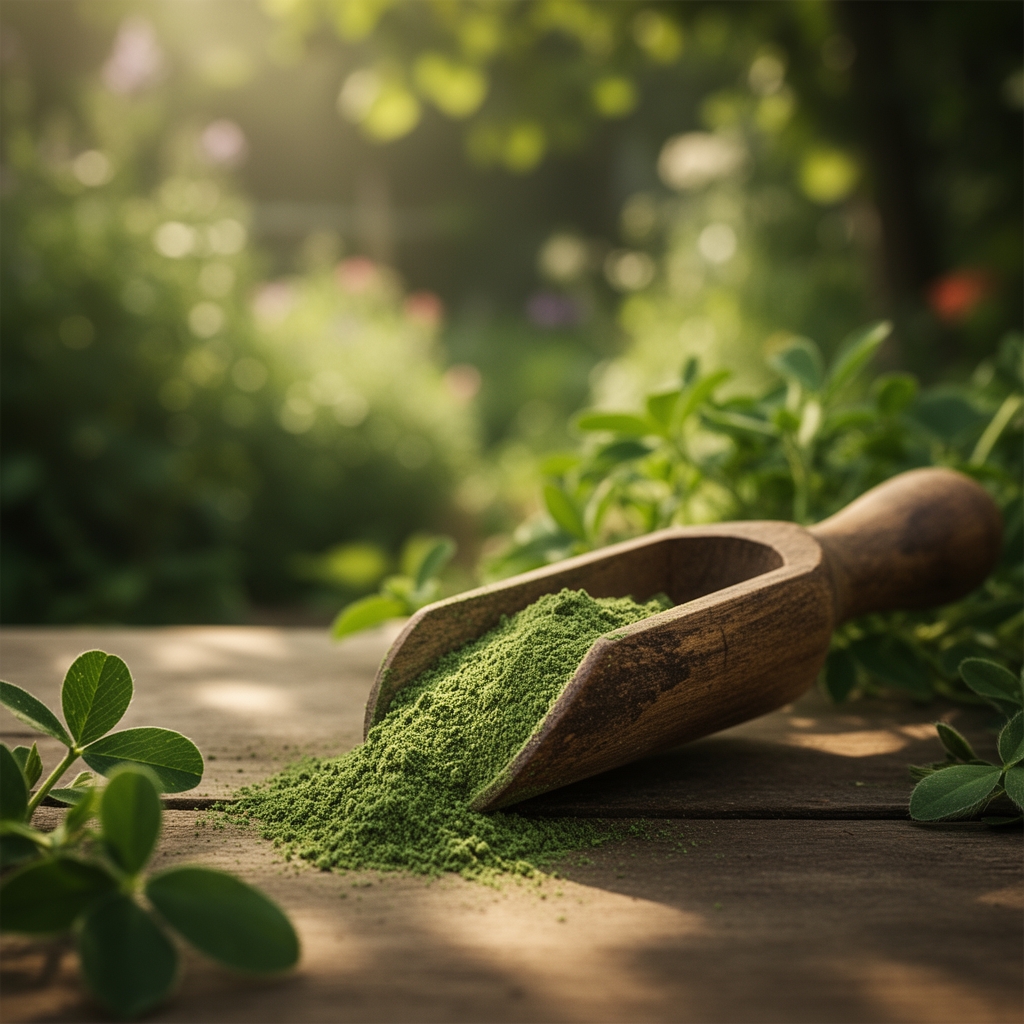
Alfalfa meal transforms garden soil from barren substrate into a living system capable of sustaining roses, vegetables, and perennials through multiple growing seasons. The pale green pellets, ground from Medicago sativa hay, release nitrogen at 2.5-3.0 percent by weight while introducing triacontanol, a natural growth stimulant that accelerates cell division in root meristems. Understanding the correct steps to use alfalfa meal prevents nutrient lockout and maximizes the cation exchange capacity of clay and loam soils.
Materials
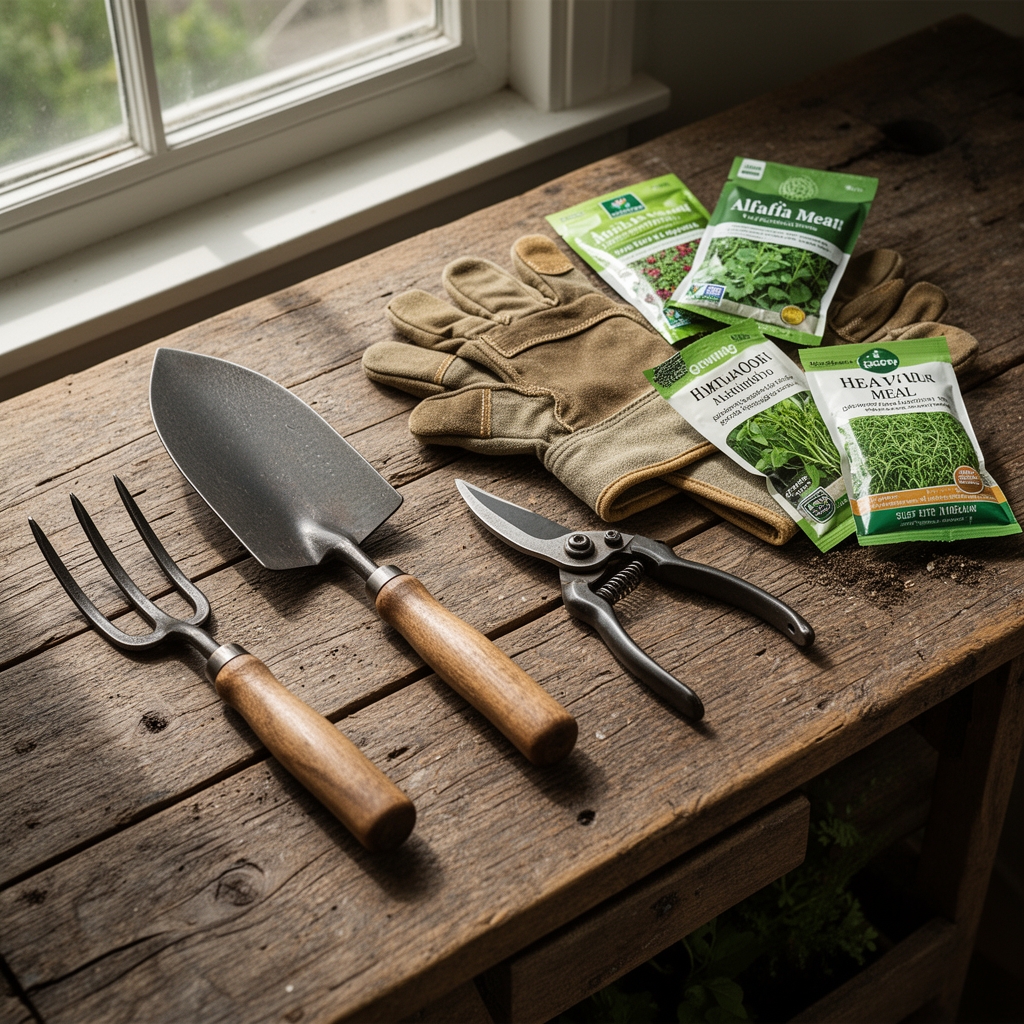
Select organic alfalfa meal with an NPK ratio near 2.5-0.5-2.5, though commercial formulations range from 2-1-2 to 3-1-2 depending on harvest timing and processing. The meal should smell sweet and grassy, not musty or fermented. Pelletized forms dissolve slower than milled powder, releasing nitrogen over 8-10 weeks instead of 4-6 weeks. Soil pH between 6.0 and 7.0 optimizes nutrient availability from alfalfa meal; acidic soils below 5.5 require lime amendment before application. Pair alfalfa meal with kelp meal (1-0.1-2 NPK) to supply trace minerals absent in legume tissue. A soil thermometer reading 50°F at 4-inch depth indicates microbial populations active enough to decompose the organic matter. Wear gloves during handling; alfalfa dust irritates respiratory passages in enclosed spaces.
Timing
Apply alfalfa meal in USDA Hardiness Zones 3-9 four weeks before the last expected spring frost to allow microbial colonization of the root zone. In Zone 7, this window opens mid-March. In Zone 5, wait until late April. Fall application occurs six weeks before first frost, giving perennials time to absorb slow-release nitrogen without stimulating late-season growth vulnerable to freeze damage. Avoid application when soil temperature drops below 45°F; decomposition halts and raw meal attracts rodents. In Zones 9-10, split applications into three doses: February, June, and October. This prevents nitrogen flush during summer heat when plants enter semi-dormancy. Rain or irrigation within 48 hours of application accelerates integration into the soil profile.
Phases
Sowing Phase: Broadcast 2 pounds of alfalfa meal per 100 square feet across prepared beds one week before direct-seeding cool-season crops like lettuce, peas, or brassicas. Rake the meal into the top 2 inches of soil. Water to 6-inch depth using a soil probe to verify penetration. Mycorrhizal fungi colonize alfalfa-enriched zones within 10 days, extending phosphorus acquisition by 40 percent compared to untreated soil.
Pro-Tip: Mix alfalfa meal with seed-starting compost at a ratio of 1:10 by volume for transplants. The triacontanol content reduces transplant shock by 30 percent in university trials.
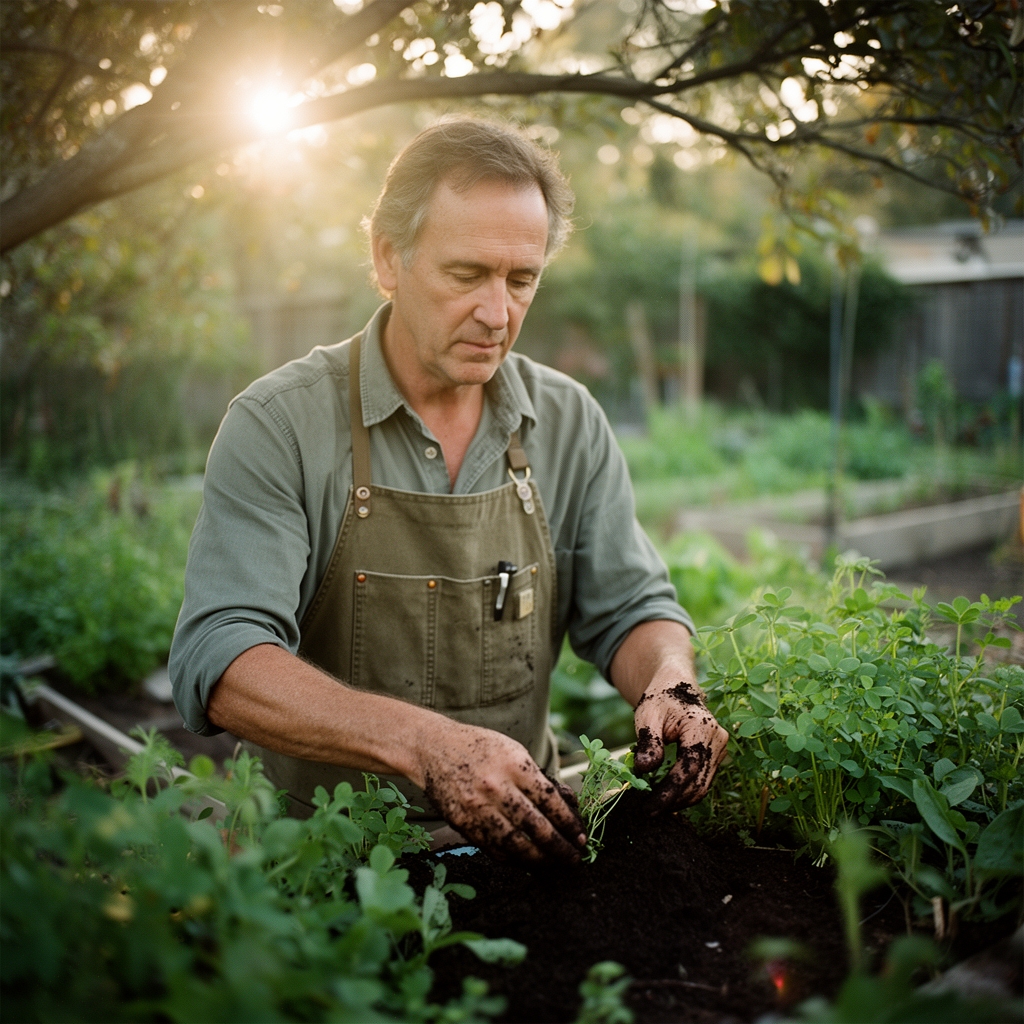
Transplanting Phase: Dig planting holes 6 inches wider than root balls. Sprinkle 1/4 cup of alfalfa meal at hole bottom, cover with 1 inch of native soil to prevent root burn, then position transplant. Backfill with a 50-50 blend of excavated soil and compost. Water with 1 gallon per plant, ensuring meal contact with feeder roots. For roses, increase dosage to 1/2 cup per plant; Rosa species respond dramatically to triacontanol with 25 percent more basal breaks.
Pro-Tip: Dust root balls with endomycorrhizal inoculant before transplanting into alfalfa-amended holes. This symbiotic pairing increases drought tolerance measurable by pressure chamber readings.
Establishing Phase: Side-dress established perennials and shrubs with 1 pound alfalfa meal per 25 square feet in a ring 6 inches from stems. Scratch into soil surface using a hand cultivator to 1-inch depth. Apply second dose 8 weeks later if plants show pale foliage or slow apical growth. Berry bushes require 2 pounds per plant annually, split between early spring and post-harvest. Auxin distribution from decomposing alfalfa stimulates lateral root development visible when excavating 12 inches from the crown.
Pro-Tip: Create alfalfa tea by steeping 1 cup meal in 5 gallons of water for 48 hours. Strain and apply as foliar spray at 0.5 gallon per 100 square feet. Stomatal uptake delivers triacontanol directly to meristematic tissue.
Troubleshooting
Symptom: Leaf tip burn and brown margins appearing 2-3 weeks post-application.
Solution: Excess nitrogen from over-application. Leach soil with 2 inches of water. Reduce next application by 50 percent.
Symptom: White fungal mats forming on soil surface around meal pellets.
Solution: Saprophytic fungi decomposing organic matter; beneficial, not pathogenic. Rake lightly to aerate and accelerate breakdown.
Symptom: Stunted growth despite proper application rates.
Solution: Soil pH below 5.5 locks phosphorus from alfalfa meal. Test pH and apply dolomitic lime at 5 pounds per 100 square feet. Retest in 30 days.
Symptom: Rodent activity increases after application.
Solution: Mix meal into soil immediately rather than surface broadcasting. Set traps along garden perimeter for 2-week period post-application.
Maintenance
Water newly amended beds to maintain soil moisture at 60 percent field capacity, verified by squeezing a handful of soil; it should form a ball that crumbles under light pressure. This moisture level sustains decomposer bacteria populations that mineralize organic nitrogen. Reapply alfalfa meal every 10-12 weeks during the growing season for annual vegetables, every 16 weeks for perennials. Monitor nitrogen response by tracking stem diameter with calipers; increases above 8 percent monthly indicate adequate feeding. Mulch over alfalfa meal with 2 inches of shredded bark to moderate soil temperature swings and retain moisture. Avoid tilling deeper than 3 inches; this buries meal below the active microbial zone where decomposition slows by 60 percent.
FAQ
How much alfalfa meal per tomato plant?
Apply 1/2 cup at transplant, then 1/4 cup every 4 weeks until first fruit set. Excess nitrogen delays flowering.
Can alfalfa meal burn plant roots?
Direct contact with concentrated meal causes desiccation. Always buffer with 1 inch of soil between meal and root tissue.
Does alfalfa meal attract pests?
Unincorporated surface applications attract voles and mice. Immediate soil integration eliminates 90 percent of rodent interest.
What is the shelf life of alfalfa meal?
Sealed bags remain effective for 18 months. After opening, use within 6 months; triacontanol degrades in humid storage.
Is alfalfa meal suitable for acid-loving plants?
Its neutral pH (6.8-7.0) makes it unsuitable for rhododendrons or blueberries requiring pH below 5.5. Use cottonseed meal instead.