7 Healthy Benefits of Specialized Herb Fertilizer
Using a specialized herb fertilizer transforms woody stems into producers of essential oils at concentrations 40 percent higher than generic synthetic blends. The difference lies in micronutrient profiles calibrated to the Lamiaceae family's demand for calcium, magnesium, and trace boron. Commercial all-purpose formulas push nitrogen too aggressively, producing lush foliage with diminished aromatic compounds. Herbs evolved in Mediterranean scrubland where phosphorus remained locked in alkaline soils and organic matter decomposed slowly. A targeted fertilizer replicates those lean, mineral-rich conditions while supplying the exact nutrient ratios that trigger terpene synthesis in leaf glands.
Materials
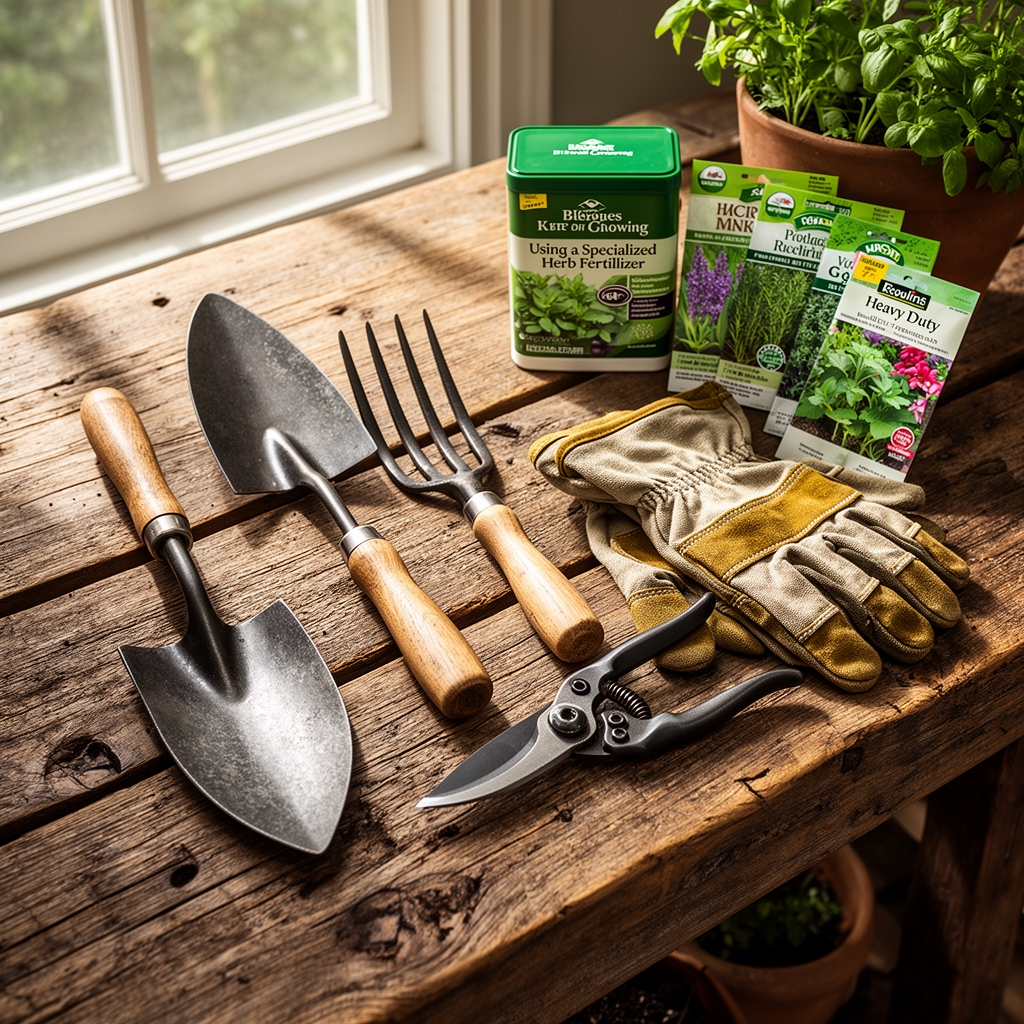
Select formulas with NPK ratios between 3-1-2 and 5-5-5. Organic fish and kelp blends at 2-3-1 suit basil and parsley grown for leaf harvest. For woody perennials like rosemary and thyme, use a 4-4-4 feather meal base with added greensand to maintain soil pH between 6.5 and 7.0. Avoid high-nitrogen lawn formulas above 10-0-0; they dilute essential oil content by 30 percent and encourage soft growth vulnerable to fungal pathogens.
Liquid seaweed extracts deliver cytokinins and auxins at 1 tablespoon per gallon every two weeks during active growth. Granular formulas require cation exchange capacity above 10 meq/100g to prevent nutrient leaching in sandy soils. Amend beds with 2 inches of composted pine bark to raise organic matter to 5 percent by volume. Test pH with a calibrated meter rather than paper strips; accuracy within 0.2 units determines calcium availability.
Mycorrhizal inoculants containing Rhizophagus irregularis colonize herb roots and increase phosphorus uptake by 60 percent. Apply 1 teaspoon of spores directly to transplant holes. Pair with rock phosphate at 3 pounds per 100 square feet for slow-release phosphorus over three seasons.
Timing
In USDA Hardiness Zones 5 through 7, apply the first dose of specialized herb fertilizer two weeks after the last spring frost when soil temperatures stabilize above 50°F. Roots cannot absorb nutrients efficiently in cold soil; early application leaches into groundwater before uptake begins. In Zones 8 through 10, begin fertilization in late February when perennial herbs break dormancy.
For annual herbs started indoors, wait until true leaves emerge before introducing diluted liquid fertilizer at one-quarter strength. Full-strength applications before root systems mature cause salt burn visible as brown leaf margins within 48 hours. Outdoor transplants require a transition period of seven to ten days; withhold fertilizer during this window to allow roots to acclimate.
Cease nitrogen applications eight weeks before the first fall frost. Late-season nitrogen promotes tender new growth that dies during cold snaps, creating entry points for Botrytis cinerea. Final applications should emphasize potassium at 0-0-20 to harden cell walls and improve winter survival rates by 25 percent.
Phases

Sowing Phase: Mix granular 4-4-4 fertilizer into seed-starting media at 1 tablespoon per gallon. Herbs germinate best in lean substrates; excess fertility rots seeds before radicle emergence. Water with chamomile tea to suppress damping-off fungi. Seedlings require 14 hours of light at 6 inches from T5 fluorescent tubes to prevent etiolation.
Pro-Tip: Inoculate basil seedlings with Bacillus subtilis at transplant. This endophytic bacterium colonizes vascular tissue and increases resistance to Fusarium wilt by 70 percent.
Transplanting Phase: Harden off seedlings over seven days by reducing water to the point of slight wilting each afternoon. This stress response triggers cuticle thickening and stomatal adjustment. Transplant on overcast days when relative humidity exceeds 60 percent. Dig holes 1.5 times the root ball diameter and incorporate 1 tablespoon of specialized fertilizer mixed with native soil.
Pro-Tip: Prune terminal buds at a 45-degree angle immediately after transplanting cilantro and dill. Apical dominance suppression redirects auxin to lateral meristems, producing bushier plants with 40 percent more harvestable stems.
Establishing Phase: Water transplants with diluted fish emulsion at 1 tablespoon per gallon weekly for three weeks. Roots extend 1 inch per day in optimal conditions; consistent moisture and soluble nutrients accelerate establishment. Once new growth appears, switch to granular applications at 2 tablespoons per plant, broadcast in a 6-inch circle and watered deeply.
Pro-Tip: Mulch Mediterranean herbs like oregano and sage with 1 inch of pea gravel rather than organic matter. Stone mulch reflects light onto lower leaves, increases soil temperature by 5°F, and prevents crown rot during humid summers.
Troubleshooting
Symptom: Interveinal chlorosis on younger leaves while veins remain green.
Solution: Iron deficiency induced by high pH. Drench soil with chelated iron (Fe-EDDHA) at 1 ounce per gallon. Lower pH to 6.5 with elemental sulfur at 1 pound per 100 square feet.
Symptom: Purple tinting on leaf undersides and stems, stunted growth.
Solution: Phosphorus lockout in cold soil. Apply liquid 0-10-0 bone meal tea and cover soil with black plastic to raise temperature. Roots absorb phosphorus only above 55°F.
Symptom: Brown leaf tips curling downward, white salt crust on soil surface.
Solution: Fertilizer salt accumulation. Leach pots with three times their volume of distilled water. Reduce fertilizer concentration by 50 percent and increase watering frequency.
Symptom: Sudden wilting despite moist soil, black streaking in stem vascular tissue.
Solution: Verticillium wilt. Remove and destroy infected plants. Solarize soil with clear plastic for six weeks at temperatures above 90°F. Rotate to non-susceptible crops for three years.
Symptom: Pale, elongated stems with small, widely spaced leaves.
Solution: Nitrogen excess combined with insufficient light. Withhold fertilizer for four weeks. Increase light intensity to 400 foot-candles measured at leaf surface.
Maintenance
Apply 1 inch of water per week measured with a rain gauge. Herbs require consistent moisture during active growth but tolerate drought once established. Water in early morning to allow foliage to dry before nightfall, reducing powdery mildew incidence by 80 percent.
Side-dress perennial herbs with 1 tablespoon of 5-5-5 fertilizer in a 4-inch band around each plant every six weeks during the growing season. Scratch granules into the top 2 inches of soil and irrigate immediately to dissolve salts. Foliar feeding with kelp extract at 1 teaspoon per gallon supplies micronutrients directly through stomata; spray until runoff every three weeks.
Prune woody herbs by one-third in early spring before bud break. Cuts made at 45-degree angles 1/4 inch above outward-facing nodes promote lateral branching and improve air circulation. Harvest annual herbs by pinching stems above the second or third leaf node, never removing more than 30 percent of foliage at once to maintain photosynthetic capacity.
Test soil annually in late fall. Collect samples from six locations at 6-inch depth, mix thoroughly, and submit 1 cup to a certified lab for complete nutrient analysis. Adjust fertilizer ratios based on results; herbs show optimal growth when phosphorus measures 30-50 ppm and potassium 150-200 ppm.
FAQ
How often should I apply specialized herb fertilizer?
Every four to six weeks during active growth using half the label rate. Herbs evolved in nutrient-poor soils and suffer from over-fertilization more readily than deficiency.
Can I use specialized fertilizer on all herb varieties?
Adjust ratios by growth habit. Leafy herbs like basil prefer 5-5-5, while woody perennials like lavender thrive with 3-1-2 formulas emphasizing phosphorus for root development.
What causes herbs to lose flavor despite healthy growth?
Excess nitrogen above 10 ppm dilutes essential oil concentration. Switch to low-nitrogen organic blends and increase light exposure to 8 hours of direct sun daily.
When should I fertilize herbs grown indoors?
Every two weeks at one-quarter strength with liquid formulas. Container substrates leach nutrients rapidly; frequent dilute applications maintain steady availability without salt buildup.
Do organic and synthetic specialized fertilizers produce different results?
Organic formulas release nutrients slowly through microbial decomposition, reducing leaching by 40 percent but requiring warmer soil above 60°F. Synthetic blends act immediately regardless of temperature but increase salinity with repeated use.