8 Minimalist Ways How to Design a Modern Zen Garden
Crushed granite shifts under a heavy boot with a distinct mechanical crunch while the scent of damp, anaerobic decomposition rises from the base of a weathered basalt stone. Mastering how to design a modern zen garden requires more than an aesthetic eye; it demands a rigorous understanding of site-specific hydrology and the physiological needs of slow-growing conifers. A true Karesansui landscape is a controlled ecosystem where every stone placement influences the thermal mass of the microclimate. You are not merely arranging rocks; you are manipulating the local albedo effect and managing the long-term senescence of woody perennials to ensure structural permanence. Success depends on the precise calibration of mineral substrates and the careful selection of species capable of thriving in high-drainage, low-nutrient environments.
Materials:
The foundation of a modern zen garden rests on a friable loam base layered with specialized aggregates. For the structural planting beds, aim for a soil pH between 5.5 and 6.5. Most traditional Japanese maples (Acer palmatum) and moss species thrive in slightly acidic conditions. If your soil tests above 7.0, incorporate elemental sulfur to lower the alkalinity.
When selecting fertilizers for the initial establishment, use a low-impact NPK ratio of 5-10-10. High nitrogen levels (the first number) trigger rapid, leggy growth that destroys the compact, architectural form essential to this style. You want to encourage root development and cellular strength rather than vertical biomass.
The primary substrate for the "dry water" features should be decomposed granite or pea gravel with a particle size of 2mm to 4mm. This size ensures the rake creates sharp, defined ridges that hold their shape against wind and light precipitation. Ensure the Cation Exchange Capacity (CEC) of your planting soil is high enough to retain essential minerals like magnesium and calcium, which are often leached away in the highly porous gravel beds.
Timing:
The execution of your design must align with your local USDA Hardiness Zone. Most modern zen gardens utilize plants hardy in Zones 5 through 9. The ideal installation window occurs during the dormant season, typically six weeks before the first autumn frost or four weeks after the final spring thaw.
Understanding the Biological Clock of your specimens is critical. Deciduous trees like the Acer palmatum transition from the vegetative stage to the reproductive stage as the photoperiod shortens in late summer. Planting during this transition allows the tree to focus energy on root establishment in the rhizosphere rather than foliage production. Avoid transplanting during peak summer heat when evapotranspiration rates are highest; this prevents cellular collapse and ensures the plant maintains sufficient turgor pressure.
Phases:

Sowing and Ground Cover
Modern zen designs often replace traditional grass with moss or low-growing ground covers like Sagina subulata (Scotch Moss). When sowing moss spores or laying plugs, ensure the substrate is consistently moist but not waterlogged.
Pro-Tip: Moss lacks a vascular system and absorbs water through its leaves via osmosis. Maintaining a high humidity microclimate around the stones prevents desiccation of the moss cells.
Transplanting Structural Elements
When moving specimen trees or large shrubs into the design, dig a hole twice the width of the root ball but no deeper than the original container. This prevents the "bathtub effect" where water collects at the base and causes root rot.
Pro-Tip: Orient the plant so its "best face" matches the primary viewing angle, but prioritize the original sun exposure direction. This minimizes phototropism, where the plant leans or twists its trunk to find the light source, preserving your intended geometry.
Establishing the Stone Matrix
The placement of large "anchor stones" (Sanzon-seki) requires burying at least one-third of the stone's height underground. This provides structural stability and creates a naturalistic appearance.
Pro-Tip: Mycorrhizal fungi should be added to the soil during stone placement. These fungi form a mycorrhizal symbiosis with plant roots, extending their reach to find water tucked beneath the thermal mass of the rocks.
The Clinic:
Physiological disorders in a zen garden are often the result of improper drainage or mineral imbalances.
Symptom: Interveinal chlorosis (yellow leaves with green veins) on Japanese Maples.
Solution: This is typically a sign of Iron or Manganese deficiency, often caused by a pH that is too high. Apply chelated iron to the soil to restore chlorophyll production.
Symptom: Needle browning on Pinus thunbergii (Black Pine).
Solution: Check for salt accumulation in the gravel. If the garden is near a road or uses softened water, the salt disrupts the osmotic balance of the roots. Flush the area with 2 inches of fresh water to leach the salts.
Symptom: Soft, mushy stems at the soil line.
Solution: This indicates Phytophthora root rot. Improve the drainage by incorporating more perlite or coarse sand into the substrate and reduce irrigation frequency.
Fix-It for Nitrogen Chlorosis: If the entire leaf turns a pale, uniform yellow, the plant is suffering from Nitrogen deficiency. Apply a liquid seaweed extract or a light 10-0-0 organic fertilizer to provide an immediate boost without forcing excessive growth.
Maintenance:
Precision maintenance is the difference between a garden and a wild thicket. Use a soil moisture meter to ensure the root zone stays at a consistent 20% to 30% moisture level. Generally, provide 1.5 inches of water per week delivered at the drip line via a drip irrigation system to avoid wetting the foliage, which can invite fungal pathogens.
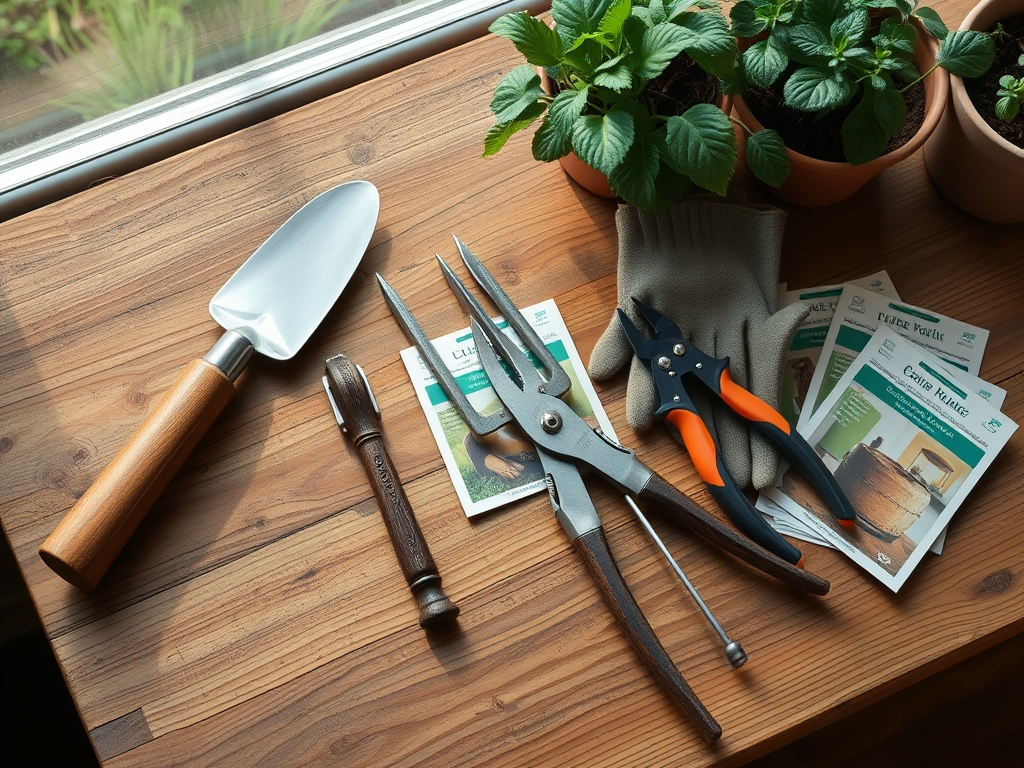
Equip yourself with a hori-hori knife for removing deep-rooted weeds without disturbing the surrounding gravel matrix. Use bypass pruners for all structural trimming; the scissor-like action creates a clean cut that heals faster than the crushing action of anvil pruners. For large pines, use the "candling" technique in late spring, removing two-thirds of the new growth to maintain the desired scale.
The Yield:
While a zen garden is primarily a visual landscape, many modern designs incorporate edible elements like Chaenomeles (Flowering Quince) or Vaccinium (Blueberries) for their structural beauty. Harvest fruit when the brix level (sugar content) is at its peak, usually indicated by a deep, uniform color and a slight softening of the fruit wall.
To maintain "day-one" freshness, harvest in the early morning when the plant's turgor pressure is at its highest. Immediately submerge the stems or fruit in cool water to slow down the rate of respiration and prevent the breakdown of cellular structures.
FAQ:
How often should I rake the gravel?
Rake the gravel once every 7 to 14 days or after heavy rain. This prevents the compaction of the substrate and disrupts the germination cycle of airborne weed seeds before they can establish a root system in the aggregate.
Can I build a zen garden in the shade?
Yes. Shift your plant palette to shade-tolerant species like Ophiopogon japonicus (Mondo Grass) and various mosses. Ensure the soil remains well-drained, as lower evaporation rates in the shade can lead to anaerobic soil conditions and root rot.
What is the best stone for a modern design?
Use angular, dark-colored stones like basalt or slate for a modern look. These stones have a high mineral density and resist weathering. Avoid rounded river rocks if you want to maintain the sharp, architectural lines typical of modern minimalism.
How do I prevent weeds in the gravel?
Install a heavy-duty landscape fabric with a minimum weight of 4 ounces per square yard beneath the gravel. This barrier prevents soil contact while allowing water infiltration. Use a flame weeder for any surface-level germinations to avoid chemical runoff.