9 Alcohol-Based Steps for Treating Scale Insects
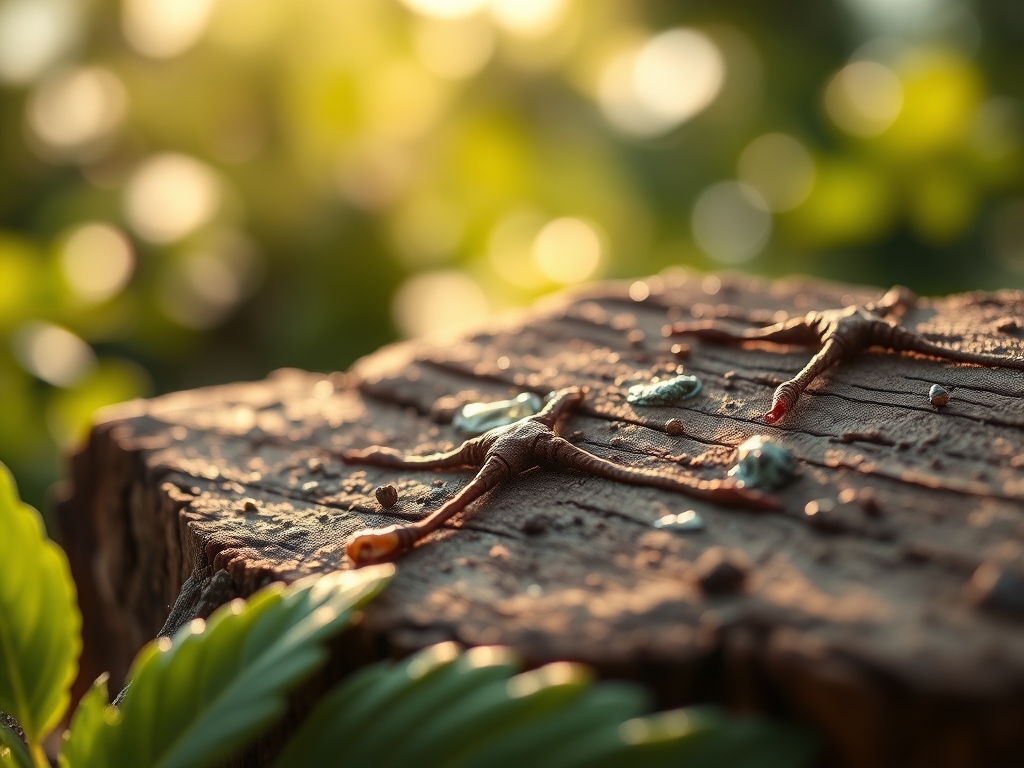
The scent of damp humus and the tactile resistance of high turgor pressure define a healthy botanical specimen. When the waxy, immobile carapaces of Coccoidea appear along the vascular tissue of a plant, they disrupt the hydraulic integrity of the xylem and phloem. These sap-sucking insects cause chlorosis and eventual necrosis by draining vital carbohydrates. Implementing precise Steps for treating scale with rubbing alcohol allows a grower to bypass systemic pesticides while targeting the insect's protective lipid layer. Success depends on mechanical removal and chemical desiccation without inducing phytotoxicity in the host plant. A single missed crawler can lead to a population explosion within 14 days; therefore, the application must be methodical and aggressive. This process requires an understanding of plant physiology to ensure the alcohol penetrates the scale's armor while the leaf cuticle remains intact. If the leaf surface feels tacky or shows soot-like fungal growth, the infestation has reached a critical density. Immediate intervention is required to restore the plant's metabolic equilibrium and prevent the irreversible decline of the secondary cell walls.
Materials:
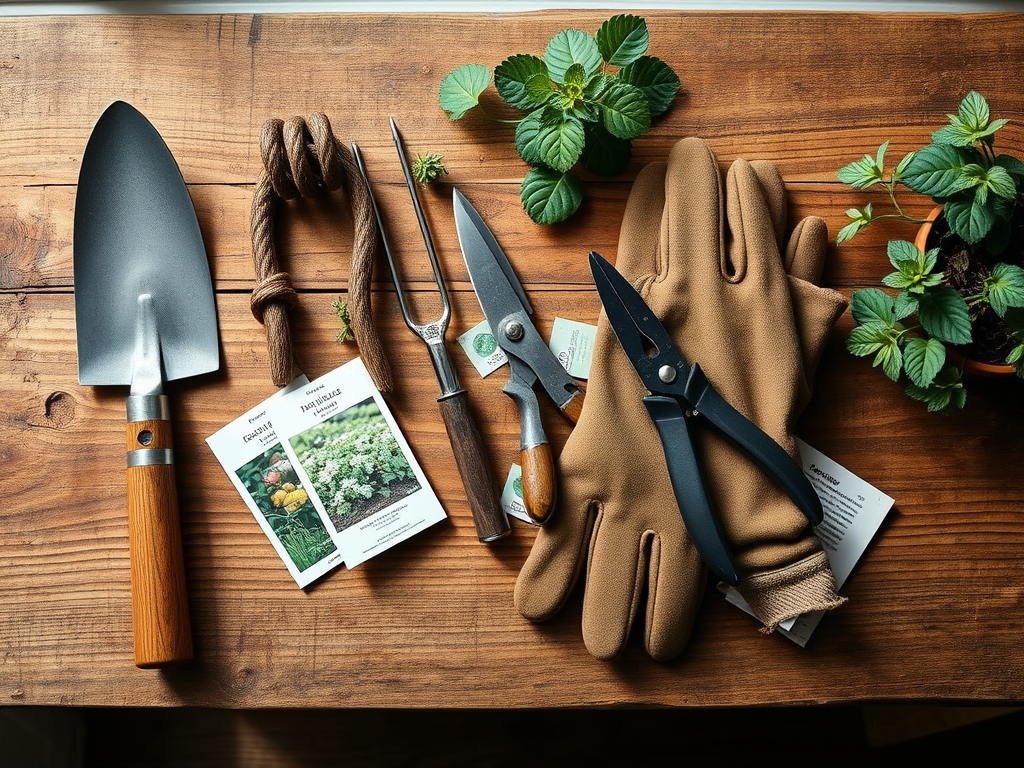
Effective treatment begins with stabilizing the growing environment to reduce plant stress. The substrate must be a **friable loam** with a **Cation Exchange Capacity (CEC) of 15 to 25 meq/100g** to ensure nutrient availability during recovery. Maintain a **soil pH between 6.2 and 6.8** to optimize the uptake of micronutrients. For recovery, use a fertilizer with an **NPK ratio of 5-10-5**; lower nitrogen prevents the rapid, succulent growth that attracts further insect colonization. You will need **70 percent isopropyl alcohol**, sterile cotton swabs, a soft-bristled brush, and distilled water for dilution. Ensure your **bypass pruners** are sharpened and disinfected with a **10 percent bleach solution** to prevent the spread of pathogens between cuts. A high-quality **soil moisture meter** is essential to monitor hydration levels, as alcohol treatment can temporarily increase the rate of transpiration by stripping protective oils from the leaf surface.
Timing:
The window for treatment is most effective during the early vegetative stage before the plant enters its reproductive phase. In Hardiness Zones 7 through 9, the primary emergence of scale crawlers occurs between late March and early May, coinciding with the first consistent soil temperatures of 55 degrees Fahrenheit. The biological clock of the scale insect is tied to the host's sap flow; as the photoperiod increases and the plant exits dormancy, the insects begin active feeding. Perform treatments in the early morning or late evening when ambient temperatures are below 80 degrees Fahrenheit. Applying alcohol during peak solar radiation causes rapid evaporation and localized tissue burn. If the plant has reached the senescence phase, focus on mechanical removal rather than aggressive chemical saturation to avoid stressing the aging vascular system.
Phases:

Sowing and Prevention
Scale often enters a collection via infested nursery stock. Before introducing any new specimen, quarantine it for 21 days. Inspect the leaf axils and the undersides of foliage using a 10x hand lens. If you are starting from seed, ensure the starting medium is pasteurized at 180 degrees Fahrenheit for 30 minutes to eliminate dormant larvae.
Pro-Tip: Maintaining high humidity levels encourages the growth of beneficial fungi in the rhizosphere, which can bolster the plant's systemic resistance. This is due to mycorrhizal symbiosis, where the fungi provide phosphorus in exchange for carbon, strengthening the cell walls against piercing mouthparts.
Transplanting and Inspection
When moving a plant to a larger vessel, inspect the root flare. Some scale species, such as ground pearls, inhabit the soil. Use a hori-hori knife to gently loosen the root ball and check for white, waxy deposits. If found, drench the root zone with a 1 percent neem oil solution before repotting in fresh, sterile media.
Pro-Tip: Avoid excessive root disturbance to prevent the suppression of auxins. These hormones are critical for root elongation; if suppressed, the plant cannot replace the fluids lost to the scale insects, leading to wilting despite adequate soil moisture.
Establishing the Treatment
The treatment phase involves nine distinct steps. First, isolate the plant. Second, dilute the alcohol to a 50 percent concentration with distilled water if the plant has thin leaves. Third, dip a cotton swab in the solution. Fourth, press the swab firmly onto the scale insect for 5 seconds. Fifth, use a soft brush to scrub away the dead shells. Sixth, rinse the foliage with clear water to remove alcohol residue. Seventh, prune heavily infested branches. Eighth, replace the top 1 inch of soil. Ninth, repeat the process every 7 days for three cycles.
Pro-Tip: Rinsing the foliage is vital because alcohol acts as a solvent on the cuticular wax. This wax prevents desiccation; by rinsing, you help the plant re-establish its moisture barrier and maintain proper phototropism by ensuring the stomata are not clogged.
The Clinic:
Symptom: Interveinal Chlorosis
- Solution: This indicates a lack of magnesium or iron, often exacerbated by scale feeding. Apply a chelated iron supplement and check the soil pH; if it is above 7.0, the plant cannot access these minerals.
- Fix-It: Add elemental sulfur to lower the pH by 0.5 units per month until the target range is reached.
Symptom: Sticky Residue (Honeydew)
- Solution: This is the waste product of scale. It attracts sooty mold which blocks photosynthesis.
- Fix-It: Wipe leaves with a solution of 1 teaspoon mild detergent per gallon of water to dissolve the sugars.
Symptom: Leaf Drop (Abscission)
- Solution: The plant is shedding leaves to conserve resources.
- Fix-It: Reduce nitrogen inputs and ensure the plant receives 12 to 14 hours of indirect light to stimulate new growth without forcing rapid, weak tissue development.
Maintenance:
Post-treatment maintenance requires strict adherence to hydration protocols. Provide exactly 1.5 inches of water per week delivered at the drip line. Use a soil moisture meter to verify that the moisture has penetrated 6 inches deep into the substrate. Over-watering leads to anaerobic conditions in the rhizosphere, which further weakens a plant recovering from insect damage. Prune any necrotic tissue using bypass pruners, making cuts at a 45-degree angle just above a lateral bud. This encourages the redistribution of nutrients to healthy growth points. Monitor the plant daily for any signs of "crawlers," which are the microscopic, mobile stage of the scale life cycle.
The Yield:
For fruiting or flowering plants, the yield will be significantly reduced if scale is not controlled during the flowering window. If the plant is edible, cease all alcohol treatments 14 days prior to harvest. Harvest during the "cool of the day," typically between 6:00 AM and 8:00 AM, when the plant has maximum turgor pressure. Use a sharp blade to ensure a clean cut, preventing the tearing of vascular bundles. Immediately place the harvest in a shaded, cool environment at 40 to 50 degrees Fahrenheit to slow the rate of senescence and preserve the cellular structure for "day-one" freshness.
FAQ:
Can I use 91 percent isopropyl alcohol on my plants?
No. High concentrations cause rapid dehydration of plant cells and permanent tissue scarring. Stick to a 70 percent concentration or dilute it to 50 percent with distilled water to ensure safety while still killing the insects.
How often should I repeat the alcohol treatment?
Treat the plant once every 7 to 10 days. This timeline accounts for the life cycle of the scale, ensuring that any newly hatched crawlers are destroyed before they can form a protective, waxy shell and begin feeding.
Will rubbing alcohol kill the eggs under the scale?
Alcohol is effective against the adults and crawlers but may not penetrate the thickest protective shells to reach the eggs. This is why mechanical removal with a brush and repeated applications are necessary to achieve total eradication.
Is it safe to use alcohol on succulents?
Succulents have a thick cuticular wax called farina. Alcohol will dissolve this coating, leaving the plant vulnerable to sunburn and dehydration. Spot test a single leaf and wait 48 hours before treating the entire specimen.