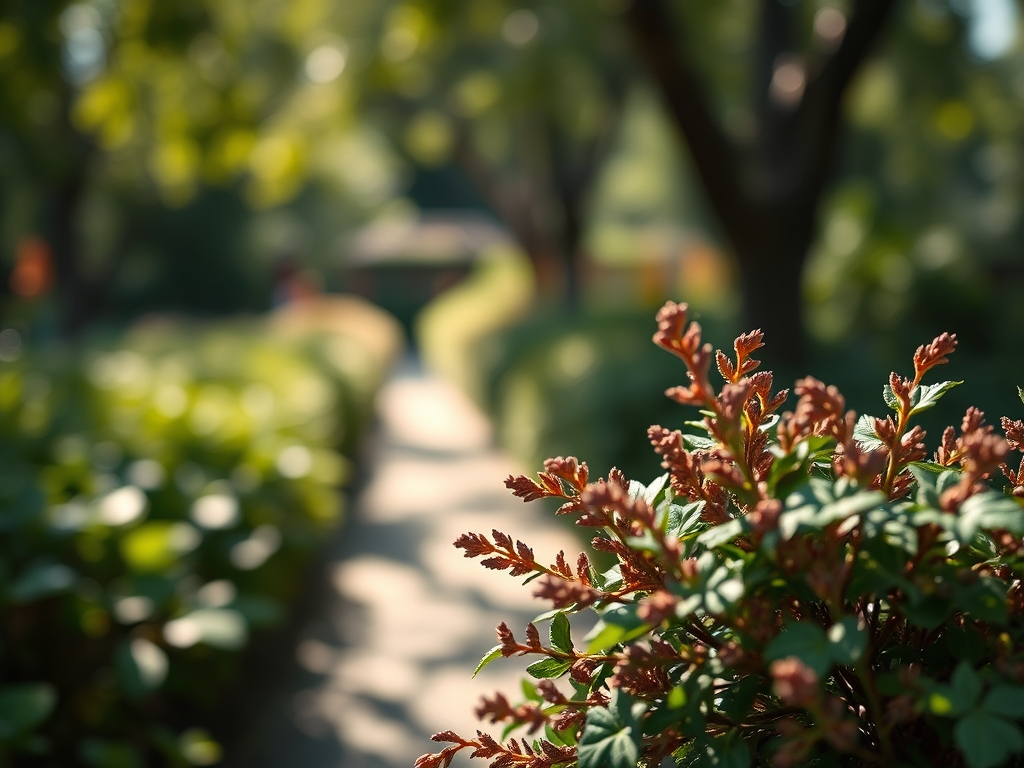
9 Best Shrubs for Shaded Walkways
Damp earth releases a sharp, geosmin-heavy scent as moisture interacts with actinobacteria in the soil. A healthy leaf maintains high turgor pressure; its cellular walls remain rigid against the pressure of the vacuole. Finding the best shrubs for shaded walkways requires a shift from aesthetic speculation to physiological reality. Low light environments often suffer from poor air circulation and high humidity, which increases fungal pressure on the leaf cuticle. You must select species capable of efficient photosynthesis under a limited photoperiod while managing the high moisture levels common in northern exposures or under dense canopies. Successful shade gardening depends on the Cation Exchange Capacity (CEC) of your soil and the ability of the plant to regulate transpiration when the sun is not driving the process. We are looking for structural integrity, shade tolerance, and root systems that do not heave the adjacent paving stones. The following nine selections represent the intersection of botanical resilience and architectural utility for your shadowed corridors.
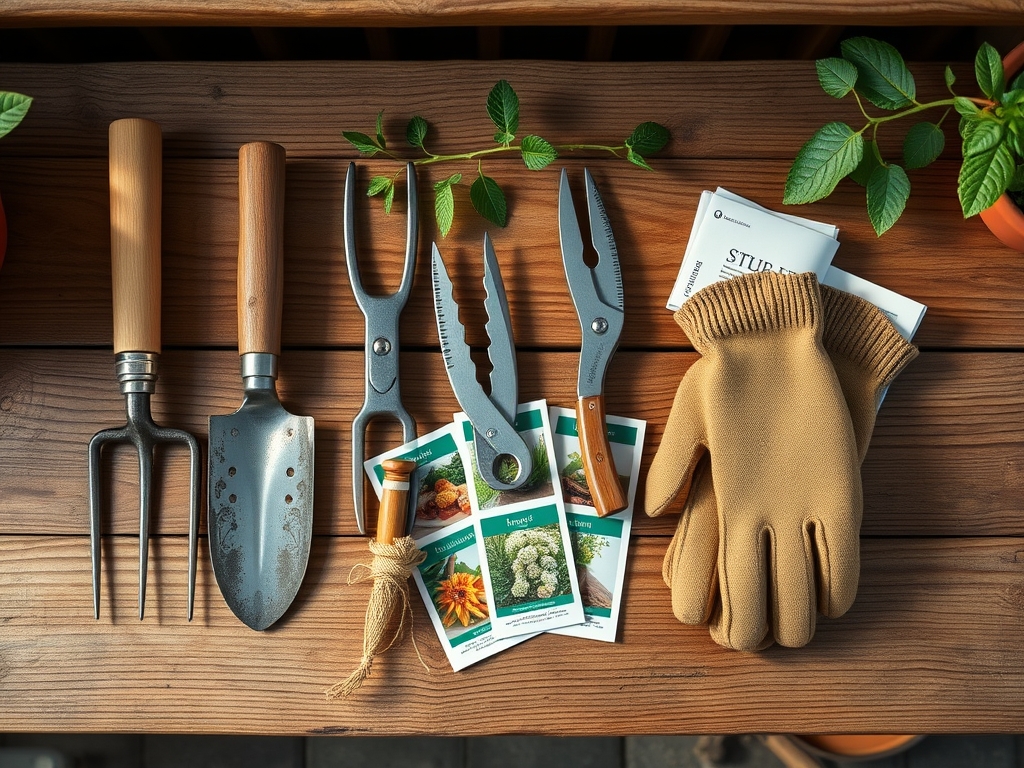
Materials:
The foundation of a shaded walkway is a friable loam with a high organic matter content to support the rhizosphere. Most shade-tolerant shrubs, such as Sarcococca or Hydrangea, thrive in a slightly acidic to neutral pH range of 5.5 to 6.8. For acid-loving species like Pieris japonica, target a pH of 4.5 to 5.5.
Utilize a balanced, slow-release NPK ratio of 10-10-10 for general establishment. For flowering species in low light, a 5-10-10 ratio provides the phosphorus necessary for bud development without over-stimulating leggy vegetative growth. The substrate must have a high CEC to retain ammonium, calcium, and magnesium ions against the leaching effects of frequent irrigation. Avoid heavy clays that suffocate roots; instead, incorporate aged compost or leaf mold to improve porosity and gas exchange.
Timing:
Successful installation depends on the Hardiness Zone, typically ranging from Zone 4 to Zone 9 for these selections. The ideal window for transplanting is during the dormant season or early spring, at least four to six weeks before the last predicted frost. This timing allows the root system to establish before the plant enters its high-transpiration vegetative stage.
The biological clock of these shrubs is governed by the photoperiod. In the spring, increasing day length triggers the production of gibberellins, signaling the end of dormancy. Conversely, as days shorten in autumn, the plant initiates senescence, moving carbohydrates from the leaves to the root system for winter storage. Planting during these transitional windows minimizes transplant shock by aligning with the plant's natural hormonal shifts.
Phases:

Sowing and Selection
When selecting the best shrubs for shaded walkways, prioritize container-grown specimens with a visible root flare. For species like Taxus (Yew) or Buxus (Boxwood), inspect the root ball for circling roots. If you are starting from seed, many shade shrubs require cold stratification at 35 to 40 degrees Fahrenheit for 90 days to break embryo dormancy.
Pro-Tip: Ensure the root flare is level with the soil surface to prevent stem rot. This maintains the oxygen exchange capacity of the bark, preventing anaerobic conditions that invite pathogens.
Transplanting
Dig a hole two to three times the width of the root ball but no deeper. This encourages lateral root expansion into the native soil. Use a hori-hori knife to score the sides of the planting hole, breaking the "glazing" effect caused by shovels in silty soils. This allows fine root hairs to penetrate the surrounding earth more effectively.
Pro-Tip: Inoculate the planting hole with mycorrhizal fungi. This symbiotic relationship expands the root's surface area, significantly increasing the uptake of phosphorus and water in competitive shade environments.
Establishing
During the first growing season, maintain consistent soil moisture. The goal is to keep the soil at "field capacity," where macropores hold air and micropores hold water. Monitor the plants for apical dominance; if the shrub becomes too leggy in search of light, selective pruning can redistribute auxins to lateral buds, creating a fuller form.
Pro-Tip: Use a thin layer of arborist wood chips to regulate soil temperature. This suppresses weeds while providing a slow release of carbon, which fuels the microbial activity necessary for nutrient cycling.
The Clinic:
Physiological disorders in shade often stem from poor drainage or lack of light.
-
Symptom: Interveinal chlorosis (yellowing leaves with green veins).
Solution: This indicates an iron or magnesium deficiency, often caused by high pH.
Fix-It: Apply chelated iron or elemental sulfur to lower the pH to 6.0 and unlock micronutrients. -
Symptom: Powdery mildew (white fungal coating).
Solution: Caused by high humidity and poor airflow.
Fix-It: Prune the interior of the shrub using bypass pruners to increase air circulation and reduce leaf wetness duration. -
Symptom: Leaf scorch or marginal necrosis.
Solution: Despite being shade plants, sudden exposure to direct afternoon sun can cause cellular collapse.
Fix-It: Install temporary shade cloth or move the plant to a location with filtered light. -
Symptom: Nitrogen deficiency (stunted growth and pale lower leaves).
Solution: Common in high-carbon mulches that "tie up" nitrogen.
Fix-It: Top-dress with a high-nitrogen organic fertilizer like blood meal at a rate of 1 pound per 100 square feet.
Maintenance:
Precision is the hallmark of professional maintenance. Provide 1.5 inches of water per week at the drip line, rather than at the base of the trunk. Use a soil moisture meter to verify that the moisture has penetrated 6 to 8 inches deep.
Pruning should be performed with sterilized bypass pruners to ensure clean vascular cuts. For evergreen shrubs like Mahonia or Skimmia, prune immediately after flowering to avoid removing next year's buds. When using a hori-hori knife for weeding around the walkway, be careful not to disturb the shallow feeder roots characteristic of many shade-loving species. Apply a fresh 2-inch layer of organic mulch annually to maintain the soil's cation exchange capacity and suppress weed germination.
The Yield:
While many shrubs for shaded walkways are prized for foliage, some offer berries or flowers. For Sarcococca (Sweet Box), the yield is the fragrance of the winter blooms. For Ilex (Holly), the yield is the persistent winter fruit.
To maximize the "yield" of healthy foliage, avoid overhead irrigation which can lead to leaf spot. If you are harvesting cuttings for indoor use, cut at a 45-degree angle just above a node. Place the stems immediately in 70-degree Fahrenheit water to maintain turgor and prevent air embolisms in the xylem. This ensures the cuttings remain turgid and functional for several days.
FAQ:
Which shrubs grow best in full shade?
Sarcococca hookeriana, Taxus baccata, and Fatsia japonica are excellent choices. These species have adapted to low light by increasing chlorophyll density in their leaves, allowing for efficient photosynthesis even in deep shade environments.
How do I stop my shade shrubs from getting leggy?
Legginess is a phototropic response to low light. To counter this, perform "heading cuts" to suppress apical dominance. This redirects growth hormones to lateral buds, encouraging a denser, more compact habit suitable for narrow walkways.
What is the best soil for shaded walkways?
A friable loam with a pH between 5.5 and 6.5 is ideal. High organic matter content is essential to maintain a high Cation Exchange Capacity, ensuring that essential nutrients like potassium and magnesium remain available to the roots.
How often should I water shrubs in the shade?
Shade reduces evaporation, so soil stays moist longer. Aim for 1 to 1.5 inches of water per week, but always check the soil with a moisture meter. Overwatering in shade leads to anaerobic conditions and root rot.
Can I plant shrubs under large trees?
Yes, but you must account for root competition. Use species with non-invasive root systems and provide supplemental irrigation. Incorporating organic matter will help the shrubs compete for nutrients in the tree's active rhizosphere.