7 Best Grass Seed for High Traffic
The smell of damp earth after a heavy rain signals the peak of microbial activity within the rhizosphere. When you step onto a lawn, you are not just walking on blades of green; you are compressing a complex vascular system that must maintain turgor pressure under the weight of foot traffic. Finding the best grass seed for high traffic requires an understanding of cellular resilience and regenerative capacity. Most residential lawns fail because the selected species cannot withstand the mechanical shearing of the leaf blade or the resulting soil compaction. A high traffic lawn must possess either aggressive lateral growth through rhizomes and stolons or a high density of fibrous roots that anchor the plant against displacement. Selecting the correct cultivar is the difference between a self repairing ecosystem and a patch of compacted, anaerobic mud. Professional turf management demands a focus on species that exhibit rapid recovery rates and high tensile strength in their cell walls.
Materials:
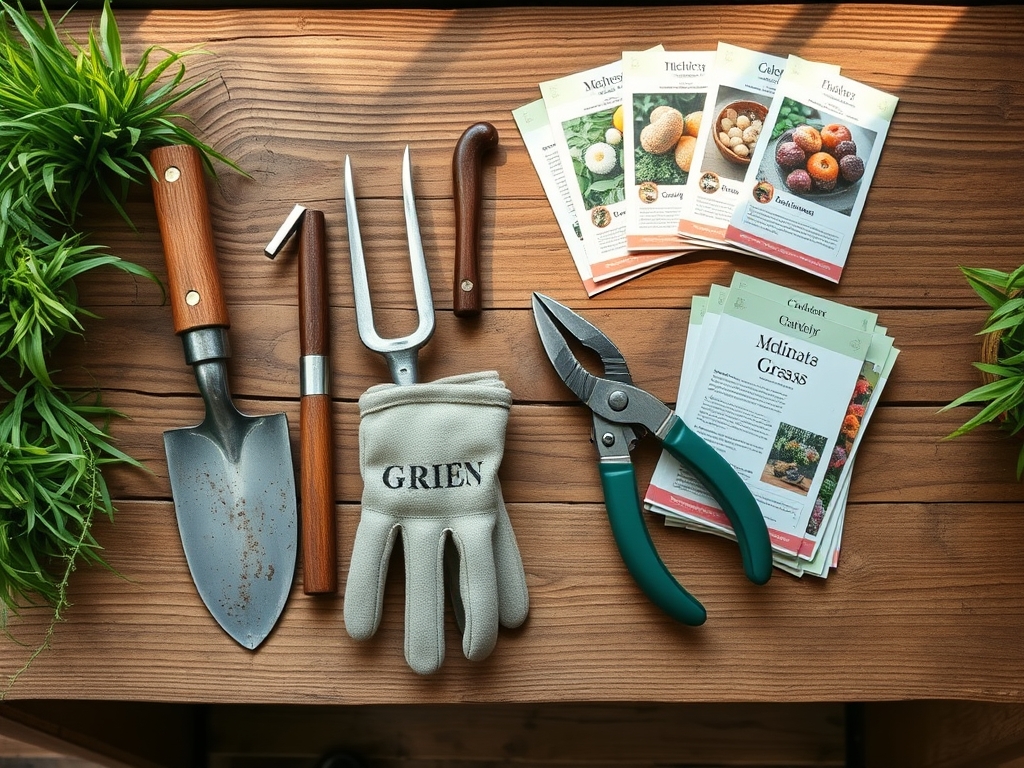
Successful establishment begins with a **friable loam** substrate characterized by a balanced Cation Exchange Capacity (CEC) of **15 to 25 meq/100g**. The soil pH must sit between **6.0 and 7.0** to ensure maximum nutrient bioavailability. For high traffic areas, the NPK ratio for starter fertilizer should be approximately **10-18-10** to prioritize root development over rapid vertical foliar growth. Phosphorus is critical here; it fuels the ATP production necessary for seedling emergence. The seven best grass seeds for high traffic include:
- Tall Fescue (Festuca arundinacea): Deep taproots extending up to 3 feet for drought resistance.
- Perennial Ryegrass (Lolium perenne): Germinates in 5 to 7 days with high wear tolerance.
- Kentucky Bluegrass (Poa pratensis): Spreads via rhizomes to fill in bare spots.
- Bermuda Grass (Cynodon dactylon): Highly aggressive stoloniferous growth for warm climates.
- Zoysia Grass (Zoysia japonica): Forms a dense, carpet like mat that resists weed encroachment.
- Fine Fescue (Festuca filiformis): Best for high traffic in shaded, low nitrogen environments.
- Creeping Bentgrass (Agrostis stolonifera): Used for extreme density, though it requires high maintenance.
Timing:
Hardiness Zones 3 through 7 should focus on cool season grasses, with primary sowing windows occurring when soil temperatures are between 50 and 65 degrees Fahrenheit. This usually aligns with late summer or early autumn, approximately 45 days before the first killing frost. In Zones 8 through 11, warm season grasses should be established when soil temperatures consistently exceed 65 degrees Fahrenheit, typically in late spring. The "Biological Clock" of these grasses involves a transition from the vegetative stage to a period of dormancy. Sowing during these windows allows the plant to establish a robust root system before the stress of summer heat or winter desiccation. Proper timing ensures the plant can manage its carbohydrate reserves effectively, shifting energy from leaf production to root elongation as the photoperiod shortens.
Phases:
Sowing
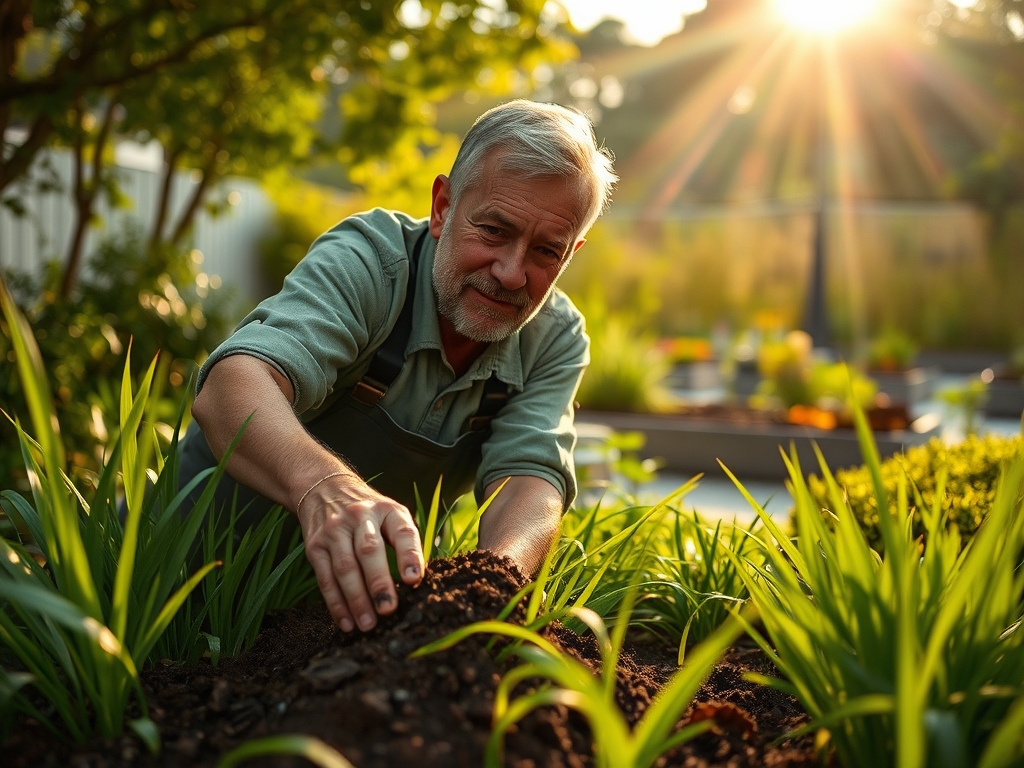
Prepare the seedbed by removing debris and aerating to a depth of 4 inches. Distribute the seed at a rate of 6 to 8 pounds per 1,000 square feet for fescue blends, or 2 to 3 pounds for Kentucky Bluegrass. Ensure seed to soil contact by lightly raking or using a weighted roller.
Pro-Tip: Maintain consistent surface moisture to prevent the desiccation of the coleoptile. Biological Why: The coleoptile is the protective sheath for the emerging shoot; if it dries out, the plant cannot breach the soil surface, leading to "damping off" and total seedling failure.
Transplanting
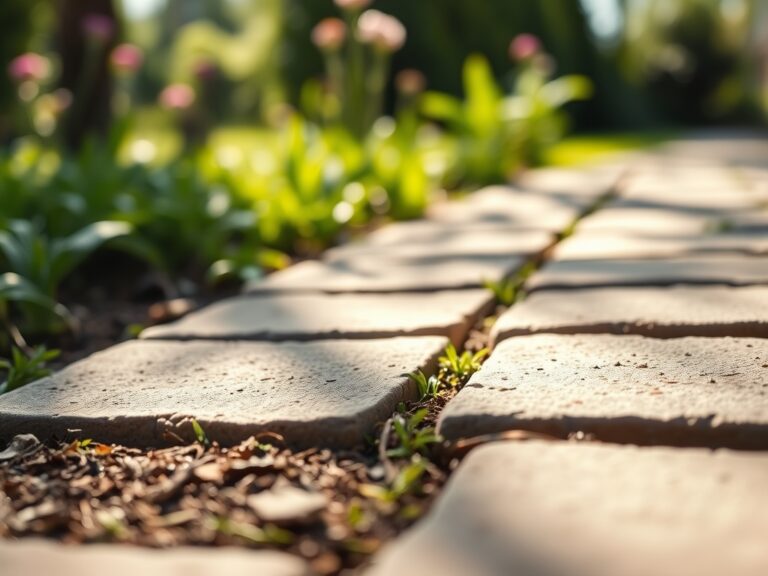
While most high traffic lawns are seeded, sodding is a form of transplanting that provides immediate cover. Ensure the sod is cut at a thickness of at least 1 inch to preserve the secondary root system. Lay the pieces in a staggered, brick like pattern to minimize seam exposure and prevent moisture loss at the edges.
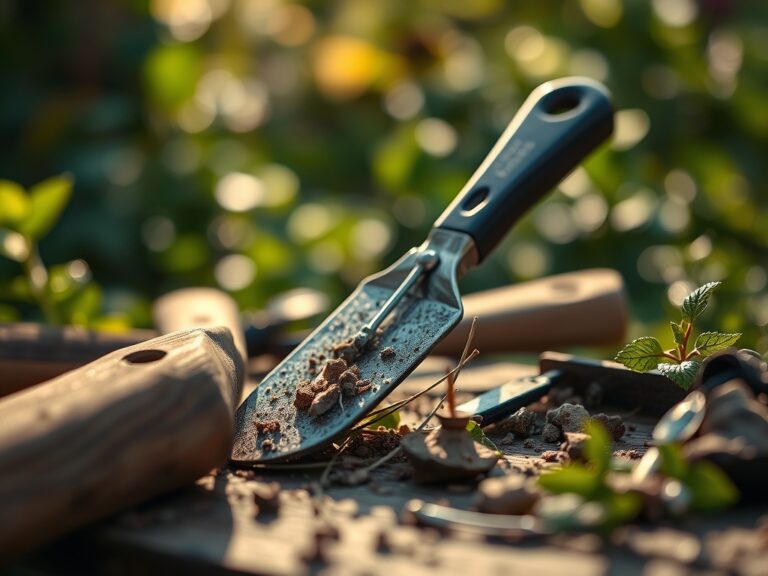
Pro-Tip: Use a hori-hori knife to trim edges tightly against hardscapes. Biological Why: Tight seams prevent "edge drying," where exposed roots undergo rapid senescence due to air contact, which halts the establishment of lateral rhizomes.
Establishing
During the first 21 days, the focus is on cellular expansion. Irrigate twice daily for short durations to keep the top 0.5 inches of soil moist. Once the grass reaches a height of 3 inches, initiate the first mow, removing no more than one third of the leaf blade to avoid physiological shock.
Pro-Tip: Avoid heavy foot traffic for at least 6 weeks. Biological Why: Young plants lack the lignification in their cell walls required to withstand mechanical compression. Early traffic crushes the xylem and phloem, cutting off the transport of water and nutrients.
The Clinic:
Monitoring the physiological health of the turf is essential for long term durability.
- Symptom: Yellowing of older leaves while new growth remains green.
- Solution: This indicates Nitrogen Chlorosis. Nitrogen is a mobile nutrient; the plant moves it from old tissue to support new growth. Apply a slow release nitrogen fertilizer at a rate of 1 pound per 1,000 square feet.
- Symptom: Purplish tint on leaf blades during cool weather.
- Solution: This suggests Phosphorus Deficiency. Low soil temperatures inhibit phosphorus uptake. Use a liquid foliar spray for immediate absorption.
- Symptom: Localized dry spots that repel water despite irrigation.
- Solution: This is Localized Dry Spot (LDS) caused by hydrophobic fungal byproducts. Apply a soil wetting agent to break the surface tension and allow water penetration.
- Fix-It: For soil compaction in high traffic zones, perform core aeration. Removing 3 inch plugs of soil increases oxygen diffusion to the roots and improves the Cation Exchange Capacity by allowing organic matter to move deeper into the profile.
Maintenance:
Precision maintenance is the only way to sustain a high traffic lawn. Use a soil moisture meter to ensure the root zone receives exactly 1.5 inches of water per week, delivered in two deep sessions rather than frequent shallow watering. This encourages roots to grow deeper into the soil profile to find moisture. Sharpen mower blades after every 10 hours of use; dull blades tear the grass, increasing the surface area for water loss and pathogen entry. Use bypass pruners to clear overhanging limb growth that may limit the daily photoperiod to less than the required 6 hours of direct sunlight. Every spring, top dress the lawn with 0.25 inches of fine compost to replenish micronutrients and support the microbial population in the rhizosphere.
The Yield:
While a lawn is not "harvested" in the traditional sense, the yield is measured in biomass density and recovery speed. To maintain "day-one" freshness and vigor, mechanical aeration should be performed annually. If the lawn is used for heavy athletics or events, overseeding with Perennial Ryegrass every autumn will maintain a high shoot density. This prevents the soil from becoming exposed, which would otherwise lead to temperature spikes and increased evaporation rates.
FAQ:
What is the best grass seed for high traffic and dogs?
Tall Fescue is superior due to its deep root system and high individual plant toughness. It handles the nitrogen levels in pet waste better than Kentucky Bluegrass and resists the physical tearing caused by running.
How long does high traffic grass take to grow?
Perennial Ryegrass germinates in 5 to 7 days, while Kentucky Bluegrass can take up to 21 days. A fully functional, wear resistant sod layer typically requires 6 to 8 weeks of establishment before heavy use.
Can I grow high traffic grass in the shade?
Fine Fescues are the best option for shaded high traffic areas. However, no grass survives total darkness. Most species require a minimum of 4 to 6 hours of filtered sunlight to maintain adequate carbohydrate reserves for repair.
Does high traffic grass need more fertilizer?
Yes, frequent wear requires faster cell division for repair. Apply 3 to 4 pounds of Nitrogen per 1,000 square feet annually, split into four applications, to provide the necessary building blocks for constant foliar regeneration.