9 Basic Steps to Lay a Paver Walkway
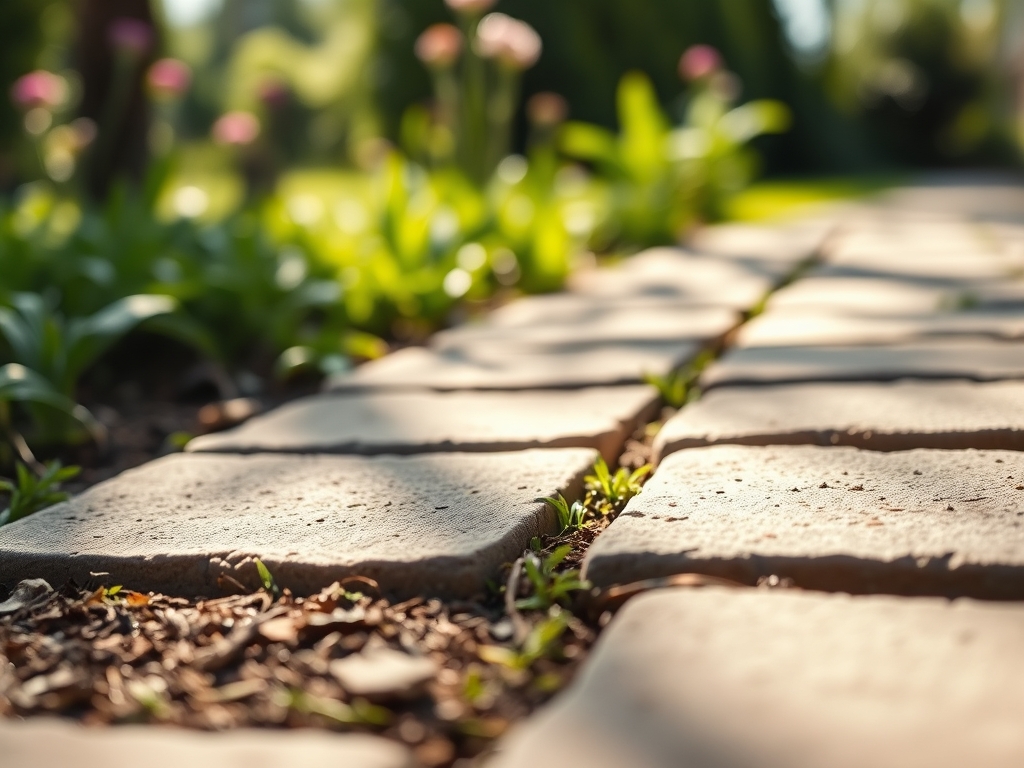
The smell of damp, disturbed earth signals the start of a structural landscape shift. When the shovel bites into the soil, you are disrupting the rhizosphere to create a permanent foundation. Success requires more than a level eye; it demands an understanding of soil compaction and drainage mechanics. Mastering the steps to lay a paver walkway ensures that the final surface resists shifting during freeze-thaw cycles. A stable path begins with a deep excavation that respects the local water table and soil density.
Proper installation prevents the lateral movement of pavers and minimizes the risk of subsidence. You must calculate the exact volume of excavated material to maintain the structural integrity of the surrounding turf. A walkway is a load-bearing system that must manage hydraulic pressure from rainwater while providing a rigid surface for foot traffic. Every measurement counts. A deviation of even a quarter-inch in the base layer will manifest as a significant trip hazard once the final stones are set.
Materials:
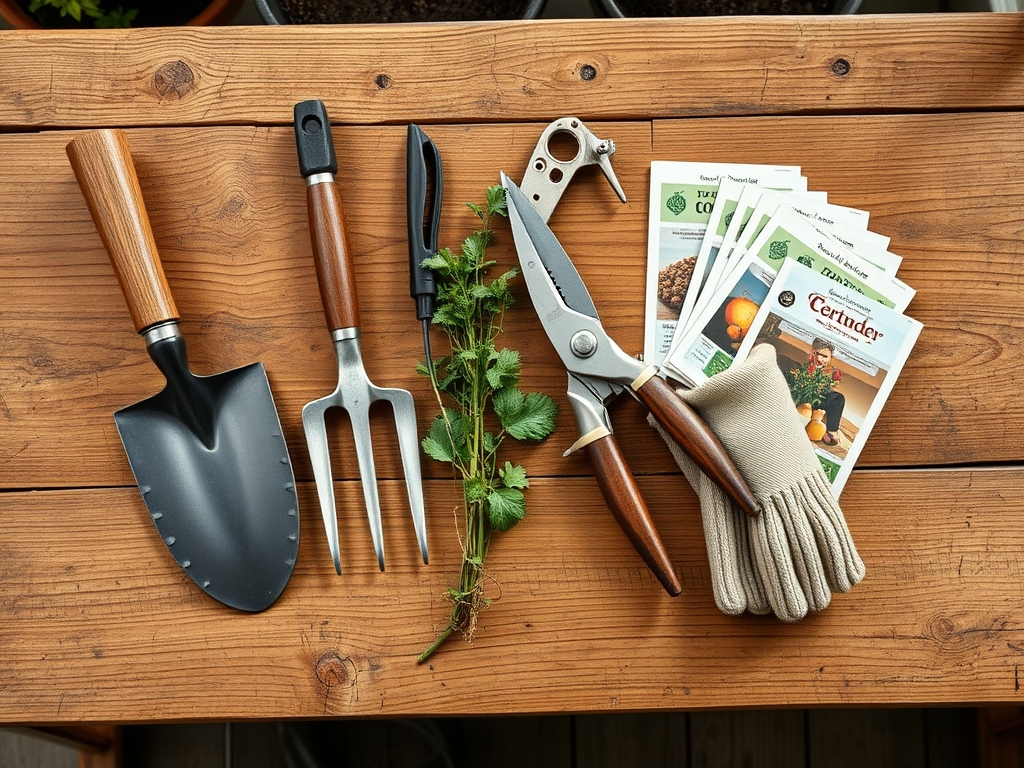
The foundation of any hardscape is the soil it sits upon. Ideal substrate for surrounding vegetation is a friable loam with a pH between 6.0 and 7.0. When installing a walkway, you must account for the Cation Exchange Capacity (CEC) of the adjacent soil to ensure nutrient runoff does not damage nearby plantings. Use the following material specifications for the walkway and its borders:
- Base Aggregate: 3/4-inch crushed limestone. This provides the structural skeleton.
- Bedding Sand: Coarse washed concrete sand. Avoid fine play sand, which lacks the angularity needed for interlocking.
- Polymeric Sand: For joint stabilization to prevent weed seed germination and insect intrusion.
- Soil Amendments: For the edges, use a 10-10-10 NPK ratio fertilizer to repair disturbed root systems.
- Geotextile Fabric: A woven barrier to separate the subgrade from the aggregate base, preventing the migration of fines.
Timing:
Hardscape construction is dictated by the Biological Clock of the surrounding flora and the thermal properties of the ground. In Hardiness Zones 4 through 7, the ideal window for installation is late spring or early fall when the soil is not saturated. Excavating during a period of high turgor pressure in nearby trees can lead to significant root shock.
Avoid construction when the ground is frozen or when the temperature is expected to drop below 32 degrees Fahrenheit within 48 hours of applying polymeric sand. The transition from vegetative growth to senescence in the fall is an excellent time to install, as the dormant plants are less susceptible to the mechanical stress of heavy machinery and soil compaction.
Phases:
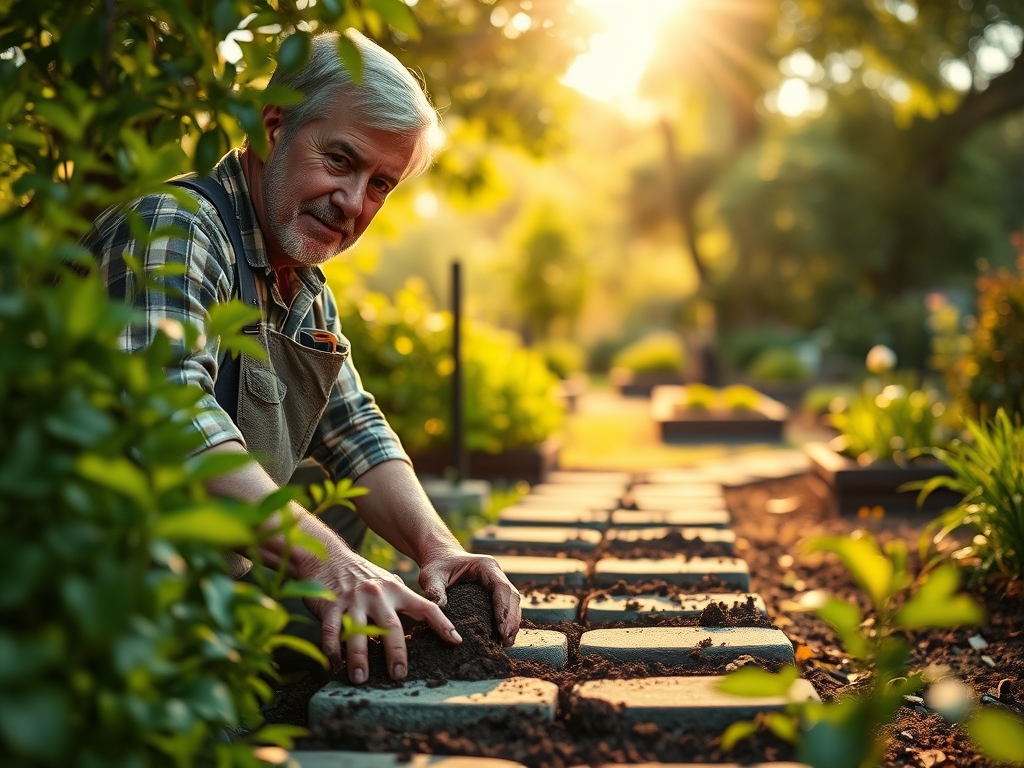
Sowing the Foundation
Excavate the area to a depth of 8 inches. This allows for 4 inches of compacted base, 1 inch of bedding sand, and the thickness of the paver. Ensure a 2 percent slope away from building foundations to manage hydraulic runoff.
Pro-Tip: Compact the subgrade in 2-inch lifts. This prevents future subsidence by removing air pockets that would otherwise collapse under the weight of the pavers.
Transplanting the Materials
Lay the geotextile fabric and spread the crushed stone. Use a plate compactor to reach a 95 percent Proctor density. Spread the bedding sand using one-inch PVC pipes as screed rails. Do not walk on the screeded sand, as this disrupts the uniform density required for a level finish.
Pro-Tip: When cutting pavers, use a wet saw to minimize silica dust. This also prevents heat damage to the paver's structural integrity, ensuring the material does not become brittle over time.
Establishing the Border
Set the pavers in the desired pattern, working from the lowest point of the slope upward. Install edge restraints using 10-inch steel spikes driven every 12 inches. Sweep polymeric sand into the joints and vibrate the pavers with a plate compactor to lock them into the bedding sand.
Pro-Tip: Apply a light mist of water to the polymeric sand to trigger the chemical binding agent. This creates a semi-permeable barrier that allows for slight thermal expansion without cracking.
The Clinic:
Physiological disorders in the landscape often arise from the installation process. Monitor the following symptoms:
- Symptom: Interveinal chlorosis (yellowing leaves with green veins) in nearby shrubs.
Solution: This indicates a pH spike from limestone dust. Apply elemental sulfur to lower the pH back to the 6.5 range. - Symptom: Wilting despite adequate moisture.
Solution: Likely root severance during excavation. Prune the canopy by 20 percent to reduce the transpiration demand on the damaged root system. - Symptom: Paver heaving or "cupping."
Solution: Insufficient drainage in the base layer. Re-excavate and install a perforated drain pipe (French drain) to redirect subsurface water.
Fix-It: If you notice Nitrogen chlorosis (pale green or yellow older leaves) in the turf bordering the new path, apply a quick-release 20-0-0 NPK fertilizer at a rate of 0.5 pounds of Nitrogen per 1,000 square feet to stimulate immediate vegetative recovery.
Maintenance:
A walkway requires ongoing monitoring to ensure the health of the surrounding ecosystem. Use a soil moisture meter to check the hydration levels at the edge of the pavers. The stone surface creates a "heat island" effect that can increase the evapotranspiration rate of nearby plants.
Provide 1.5 inches of water per week at the drip line of any trees within ten feet of the walkway. Use a hori-hori knife to remove any opportunistic weeds that manage to take root in the edges before they can establish a deep taproot. Annually inspect the joints; if the polymeric sand has eroded, top it off to prevent water from infiltrating the base and causing frost heave. Use bypass pruners to keep groundcover from encroaching and trapping moisture against the paver surface, which can lead to moss or algae growth.
The Yield:
If your walkway borders an edible garden or cutting garden, the harvest timing is critical. For flowers, harvest in the early morning when turgor pressure is at its peak to ensure maximum vase life. For herbs like basil or rosemary, harvest before the plant reaches the reproductive stage (flowering) to ensure the highest concentration of essential oils.
Post-harvest, immediately plunge stems into cool water to maintain the vapor pressure deficit and prevent wilting. For a professional finish, use the walkway as a clean staging area for sorting and cleaning your yield, keeping the produce off the soil to minimize the risk of bacterial contamination.
FAQ:
How deep should I dig for a paver walkway?
Excavate to a total depth of 7 to 9 inches. This accommodates a 4-inch compacted gravel base, a 1-inch sand bedding layer, and the standard 2.375-inch thickness of the pavers.
What is the best sand for paver joints?
Use polymeric sand for the joints. It contains chemical binders that harden when dampened, preventing weed growth and erosion while remaining flexible enough to withstand natural ground movement and thermal expansion.
Can I lay pavers directly on dirt?
No. Laying pavers on raw soil leads to uneven settling and rapid failure. You must install a compacted aggregate base to provide drainage and structural support, preventing the pavers from sinking into the subgrade.
How do I prevent weeds between pavers?
Maintain the integrity of the polymeric sand in the joints. Additionally, ensure the walkway has a 2 percent slope to prevent standing water, which creates a primary germination environment for airborne weed seeds.