9 Vital Steps to Compost Cow Manure
Cow manure stacked in autumn sunlight releases ammonia vapor strong enough to make your eyes water. Fresh manure contains pathogens, weed seeds, and salt levels that burn plant roots on contact. The steps to compost cow manure transform this liability into friable, earthy-smelling humus that feeds soil microbes for eighteen months and raises cation exchange capacity by 12 to 20 percent in sandy loam. Proper composting reaches thermophilic temperatures between 131°F and 160°F, destroying E. coli, Salmonella, and parasitic nematodes while preserving beneficial thermophilic bacteria that accelerate lignocellulose breakdown. Nine sequential steps ensure pathogen elimination, nutrient retention, and a finished product with a carbon-to-nitrogen ratio near 20:1.
Materials
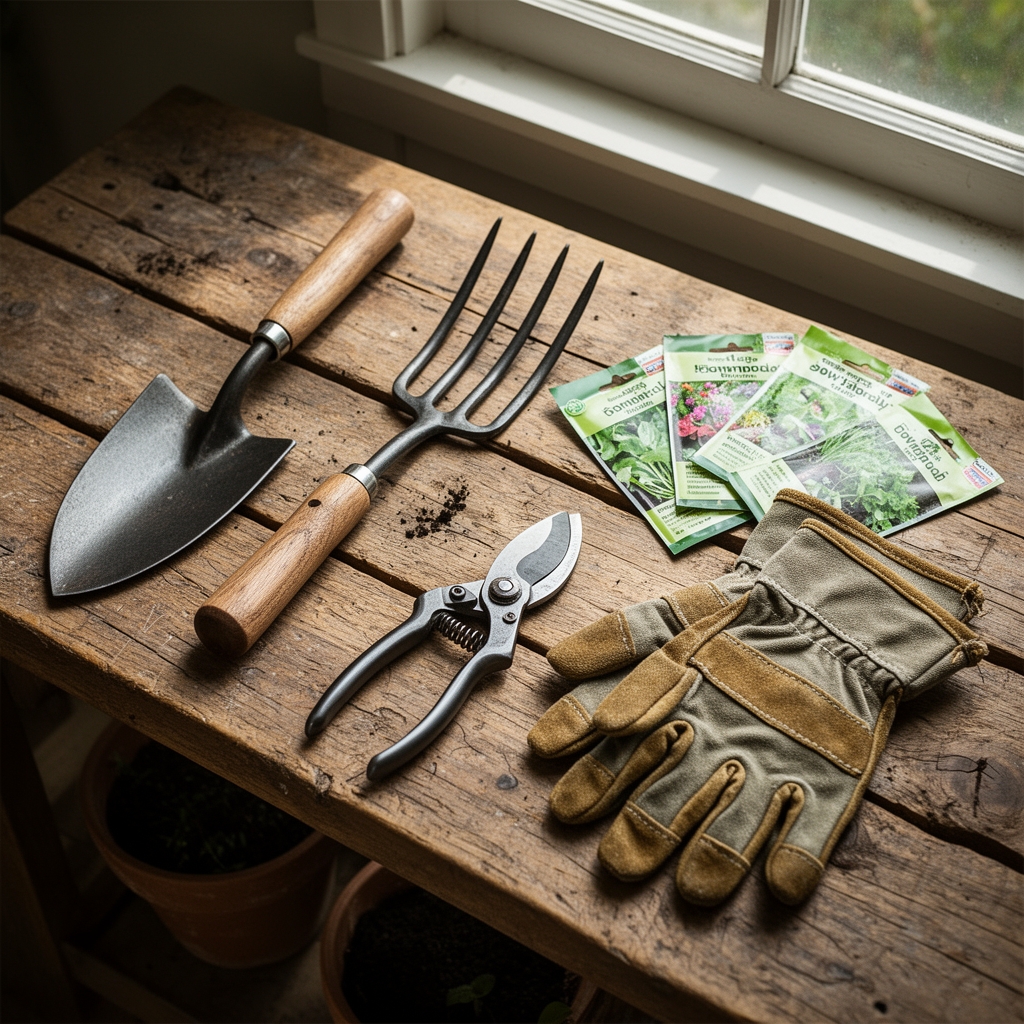
Assemble fresh cow manure with bedding still attached. Straw bedding contributes high-carbon material at approximately 80:1 C:N ratio, while wood shavings approach 400:1 and decompose slowly. Pair manure with "brown" amendments: shredded leaves (50:1), cardboard (350:1), or aged sawdust (200:1). Aim for an initial C:N ratio between 25:1 and 30:1.
Add 10 percent by volume of a nitrogen accelerant. Alfalfa meal (3-1-2 NPK, pH 6.5) or feather meal (12-0-0) supplies quick nitrogen for microbial metabolism. Blood meal (12-0-0, pH 6.0) accelerates heating but may attract scavengers if the pile remains uncovered.
Include mineral amendments to buffer pH and supply micronutrients. Dolomitic lime (calcium magnesium carbonate) raises pH from acidic 5.8 to neutral 7.0 over six weeks. Rock phosphate (0-3-0) provides slow-release phosphorus. Kelp meal (1-0.5-2.5, trace iodine and boron) enhances microbial diversity and supplies cytokinin precursors that benefit later transplant vigor.
Acquire a compost thermometer with a 24-inch stem to reach pile centers. A moisture meter calibrated for organic matter (not mineral soil) prevents guesswork. Maintain moisture at 50 to 60 percent: squeeze a handful and expect two or three drops, not a steady stream.
Timing
Initiate composting 90 to 120 days before spring planting in Hardiness Zones 3 through 7. In Zone 8, start in November for March application. Zones 9 and 10 can compost year-round but must shade piles from intense summer sun to prevent desiccation.
Avoid building piles when ambient temperatures drop below 40°F. Microbial activity stalls below this threshold, delaying the thermophilic phase by four to six weeks. Conversely, starting piles in July heat (above 95°F ambient) requires daily watering to offset evaporation.
Cold-climate gardeners should finish composting by late March, allowing two weeks for the pile to cure before incorporation. The last frost date determines the application window. For example, Zone 5 gardeners (last frost May 15) should apply finished compost by May 1, giving soil microbes two weeks to colonize before transplanting.
Phases
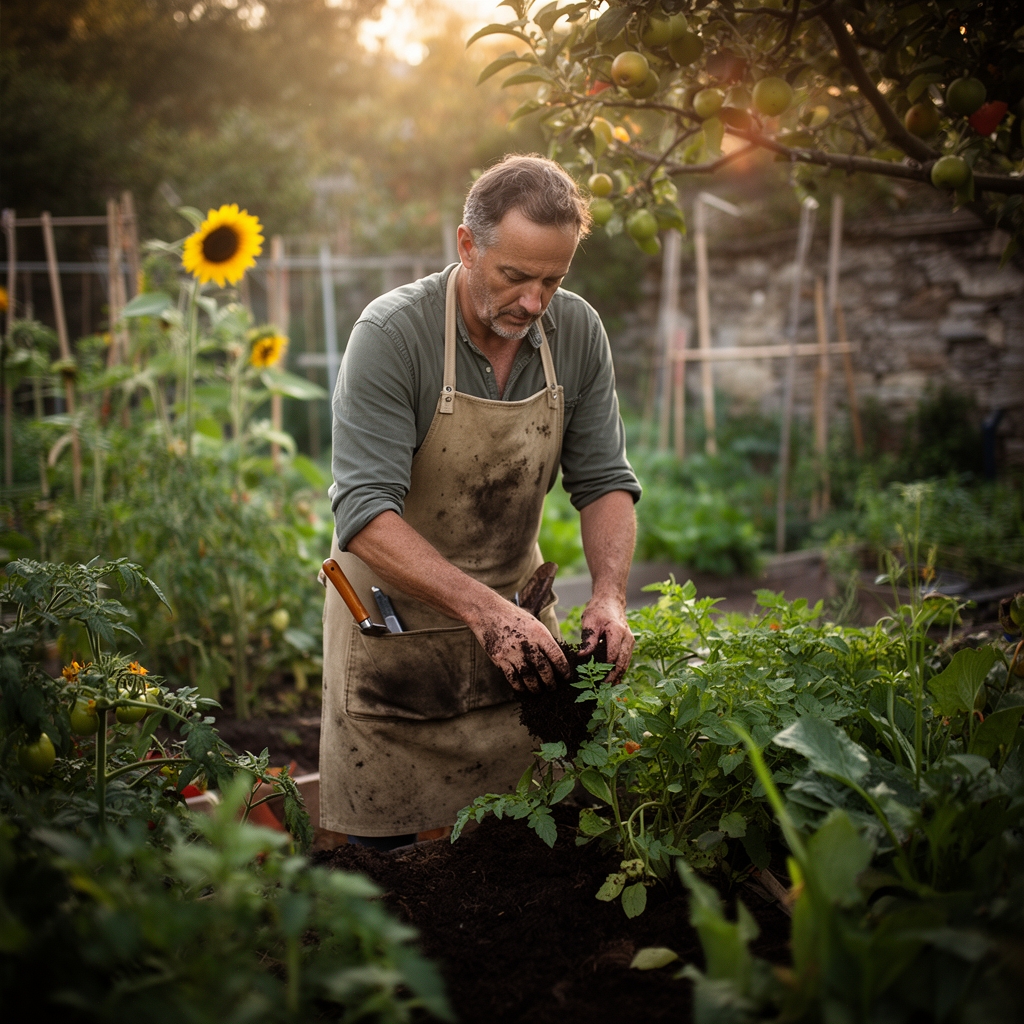
Step 1: Layer Construction. Spread a 6-inch base layer of coarse carbon material (corn stalks, sunflower stems) to ensure airflow. Add 3 inches of fresh manure, then 2 inches of high-carbon browns. Repeat until the pile reaches 4 feet in height and width. Smaller piles lose heat; larger piles turn anaerobic at the core.
Step 2: Initial Watering. Saturate each layer as you build. Use 5 gallons of water per cubic foot of material. Proper hydration activates mesophilic bacteria within 24 hours.
Step 3: Thermophilic Activation. Monitor internal temperature daily. The pile should reach 131°F within 72 hours. Maintain temperatures between 140°F and 160°F for 15 consecutive days to meet EPA pathogen-reduction standards.
Pro-Tip: Inoculate with a shovelful of finished compost or forest duff. This introduces Bacillus and Streptomyces species that produce antibiotics suppressing plant pathogens like Pythium and Rhizoctonia.
Step 4: First Turn. Turn the pile on day 7 or when temperature peaks above 160°F. Move outer material to the core, core material to the edges. This redistributes moisture, oxygen, and undecomposed particles. Expect the temperature to climb again within 48 hours.
Step 5: Subsequent Turns. Turn every 7 days for four weeks. Each turn aerates the pile, preventing anaerobic pockets that smell of ammonia or sulfur. Turning also redistributes fungal hyphae that decompose cellulose and lignin.
Pro-Tip: Spray each turned layer with a 1:20 dilution of liquid kelp. The auxin analogs accelerate cell wall breakdown and enhance actinomycete populations.
Step 6: Maturation Phase. After the fourth turn (day 28), allow the pile to cure undisturbed for 60 days. Temperature drops to ambient levels. Mycorrhizal fungi colonize the material, forming hyphal networks. Earthworms migrate into the pile, depositing castings rich in phosphorus and potassium.
Pro-Tip: Cover the curing pile with burlap or straw mulch to retain moisture and exclude flies. Do not use plastic, which traps methane and halts aerobic decomposition.
Step 7: Moisture Adjustment. Check moisture weekly during curing. If the pile dries below 40 percent, sprinkle with water. If it exceeds 65 percent, fluff the outer edges with a pitchfork.
Step 8: Sieving. Screen finished compost through 0.5-inch hardware cloth. Remove undecomposed sticks and clumps. The screened product should crumble easily, smell like forest floor, and appear dark brown to black.
Step 9: Storage. Store cured compost in a covered bin or tarp-lined area. Exposure to rain leaches nitrogen and potassium. Finished compost retains full nutrient value for six months if kept dry.
Troubleshooting
Symptom: Ammonia odor, slimy texture.
Solution: The pile is too wet and anaerobic. Turn immediately. Add dry leaves or shredded cardboard at a 1:1 ratio by volume. Increase turning frequency to every 3 days.
Symptom: Temperature never exceeds 100°F.
Solution: Insufficient nitrogen. Mix in 2 pounds of blood meal or urea per cubic yard. Water to 55 percent moisture. Turn and monitor.
Symptom: Pile attracts flies or rodents.
Solution: Fresh manure exposed on surface. Turn the pile, burying all manure 6 inches deep. Cover with 4 inches of straw.
Symptom: White, thread-like fungi throughout pile.
Solution: This is Actinobacteria, not a problem. These organisms decompose lignin and produce geosmin, the earthy smell. Continue normal turning.
Symptom: Pile remains hot (above 140°F) beyond 30 days.
Solution: Excess nitrogen. Add high-carbon material (sawdust, shredded paper) at 2:1 ratio to manure volume. Turn and allow to cool.
Maintenance
Apply finished compost at 20 pounds per 100 square feet annually for vegetable gardens. For perennial beds, topdress with 1 inch in early spring. Water immediately after application with 0.5 inch to initiate microbial colonization.
Reapply compost every 12 to 18 months. Soil organic matter declines 2 to 5 percent per year through microbial respiration and leaching. Regular applications maintain cation exchange capacity above 15 meq/100g, ideal for nutrient retention.
Monitor soil pH every two years. Composted manure typically raises pH by 0.3 to 0.5 units. Acid-loving plants (blueberries, azaleas) require sulfur amendments (1 pound per 100 square feet) to counteract alkalinity.
Incorporate compost 4 to 6 inches deep using a spading fork. Avoid rototilling below 8 inches, which disrupts fungal networks and buries aerobic microbes in anaerobic zones.
FAQ
How long does cow manure take to compost?
Ninety days minimum. Active composting spans 30 days, followed by 60 days of curing. Cold-weather piles require 120 to 150 days.
Can I use fresh cow manure directly on plants?
No. Fresh manure contains ammonia levels exceeding 1,500 ppm, which desiccate root hairs. It also harbors E. coli O157:H7 and parasitic larvae.
What is the NPK of finished cow manure compost?
Approximately 1.5-1-1.5. Nitrogen volatilizes during composting; phosphorus and potassium remain stable. Add rock phosphate for fruiting crops.
Does composting kill all weed seeds?
Temperatures above 140°F for 15 days kill 98 percent of weed seeds. Bindweed and nutsedge seeds may survive. Screen compost and hand-pull escapees.
How do I know when compost is finished?
Temperature matches ambient air. Material is dark, crumbly, and smells earthy. A germination test using radish seeds shows 80 percent or higher sprouting within 5 days.