9 Simple Steps to Use Blood Meal
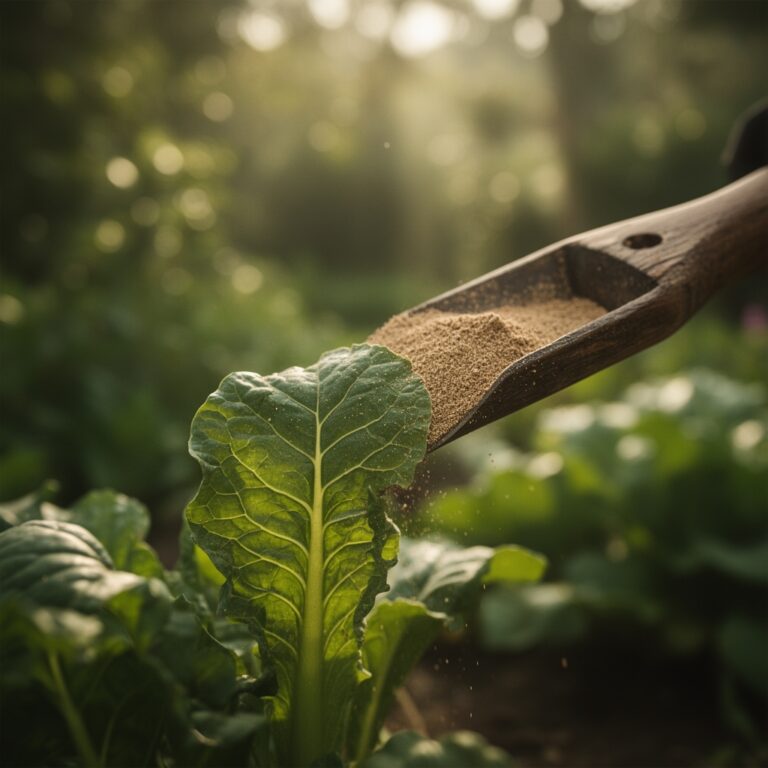
The sharp, metallic scent of dried blood marks one of nitrogen's richest organic forms. Blood meal delivers 12-0-0 NPK in a fast-acting package that transforms pale, stunted foliage into deep green growth within days. Understanding the precise steps to use blood meal prevents root burn, nitrogen toxicity, and the common mistake of overapplication that drives away beneficial soil organisms.
Materials
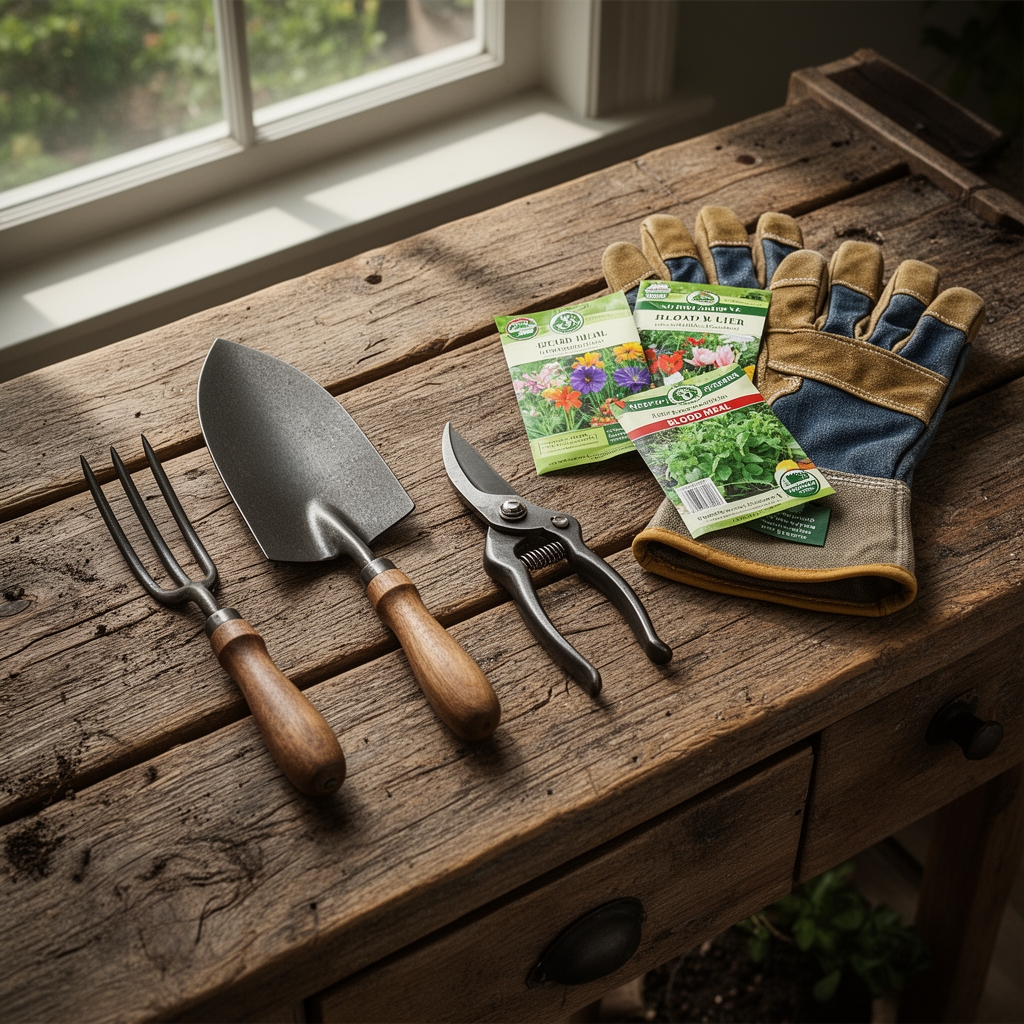
Blood meal registers at 12-0-0 NPK with trace iron content from bovine hemoglobin. The product carries a pH of 5.0 to 6.5, making it slightly acidic. Pairing blood meal with bone meal (3-15-0) or kelp meal (1-0-2) creates balanced nutrition across growth phases. A soil test revealing cation exchange capacity below 10 meq/100g indicates sandy conditions where blood meal leaches rapidly. Clay soils with CEC above 25 retain nitrogen longer, reducing application frequency. Gather a broadcast spreader for even distribution, garden gloves to prevent skin irritation, and a granular applicator for row placement. Digital pH and EC meters track soil response after each feeding.
Timing
Zones 3-5 require blood meal application two weeks after the last spring frost when soil temperatures stabilize above 50°F. Cold soil limits microbial activity that converts organic nitrogen into plant-available nitrate. Zones 6-8 allow earlier application, typically mid-March through April. Fall applications occur six weeks before the first frost, giving nitrogen time to integrate into root systems before dormancy. Summer side-dressing happens every four to six weeks for heavy feeders like tomatoes and brassicas. Avoid application during drought stress. Roots cannot uptake nitrogen efficiently when soil moisture drops below field capacity.
Phases

Sowing
Incorporate 1 pound of blood meal per 100 square feet into the top 4 inches of soil one week before seeding. Direct contact with seeds causes germination inhibition due to ammonia release during decomposition. Raking the amendment into the seedbed allows microbial colonization to begin nitrogen mineralization. Water the bed with 0.5 inches immediately after incorporation to activate the breakdown process.
Pro-Tip: Inoculate the treated soil with Rhizobium bacteria for legumes or Azospirillum for grasses. These nitrogen-fixing organisms form symbiotic relationships that reduce future blood meal dependence by 30 percent.
Transplanting
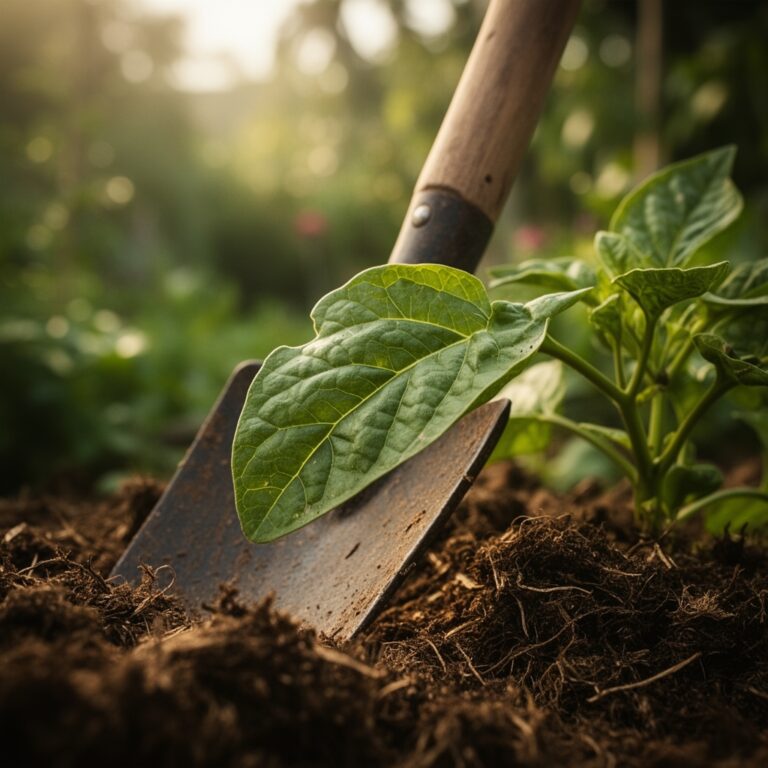
Apply 2 tablespoons per transplant hole, mixing thoroughly with native soil to prevent root contact with concentrated granules. Position transplants so the root ball sits 1 inch above the blood meal layer. Backfill with unamended soil as a buffer zone. Water with 1 quart per plant to drive dissolved nitrogen downward into the rooting zone. Monitor new growth for seven to ten days. Leaf expansion rates should increase 15 to 20 percent compared to unfed controls.
Pro-Tip: Add 1 teaspoon of mycorrhizal fungi granules per hole alongside blood meal. Ectomycorrhizae extend root surface area by 100 to 1,000 times, improving nitrogen uptake efficiency and reducing leaching losses.
Establishing
Side-dress established plants with 1 tablespoon per foot of plant height every four weeks during active growth. Create a 3-inch-deep furrow 6 inches from the stem base. Sprinkle blood meal into the furrow and cover with soil immediately to reduce nitrogen volatilization. Volatilization losses reach 20 to 40 percent when granules remain exposed to air and sunlight. Irrigate with 1 inch of water within two hours of application.
Pro-Tip: Prune lower foliage at 45-degree angles two days after blood meal application. Removing older leaves redirects auxin distribution toward new vegetative growth stimulated by the nitrogen pulse.
Troubleshooting
Symptom: Leaf tip burn with brown, crispy margins appearing three to five days after application. Solution: Flush soil with 2 inches of water to leach excess salts. Reduce the next application by 50 percent. Excessive nitrogen disrupts calcium and potassium uptake, creating deficiency symptoms despite adequate soil levels.
Symptom: Stunted growth with dark green, leathery leaves and reduced flowering. Solution: Halt blood meal applications for eight weeks. Excessive vegetative nitrogen delays reproductive phase transition. Apply 0-10-10 fertilizer to rebalance nutrient ratios toward phosphorus and potassium.
Symptom: Pest attraction, particularly rodents digging around treated areas. Solution: Bury blood meal 4 to 6 inches deep and cover with hardware cloth. The scent attracts omnivorous mammals. Top-dressing invites disturbance that damages root systems.
Symptom: Chlorosis in surrounding plants not receiving direct application. Solution: Check soil pH. Rapid nitrogen mineralization can drop pH by 0.5 to 1.0 units, locking out iron and manganese. Apply dolomitic lime at 5 pounds per 100 square feet to buffer acidity.
Maintenance
Apply blood meal every four weeks during peak growth, reducing to every six weeks as plants approach maturity. Heavy feeders like corn and squash tolerate 1.5 pounds per 100 square feet per application. Light feeders like herbs and legumes require 0.5 pounds per application. Water with 1 inch per week through drip irrigation or soaker hoses. Foliar sprays of diluted blood meal (1 tablespoon per gallon) provide emergency nitrogen boosts within 48 hours but should not replace soil applications. Monitor soil EC weekly. Readings above 2.0 mS/cm indicate salt accumulation requiring leaching. Rotate blood meal with alfalfa meal or composted manure every third application to diversify nitrogen sources and prevent micronutrient imbalances.
FAQ
How quickly does blood meal release nitrogen? Mineralization begins within 48 hours under warm, moist conditions. Peak availability occurs seven to fourteen days post-application with continued release for four to six weeks.
Can blood meal burn roots? Direct contact with concentrated granules causes ammonia toxicity. Always mix with soil and maintain a 3-inch buffer zone around stems.
Does blood meal attract pests? The scent attracts deer, rabbits, and raccoons when surface-applied. Subsurface incorporation eliminates most attraction while maintaining efficacy.
What is the shelf life? Properly stored in sealed containers away from moisture, blood meal remains effective for two to three years. Clumping indicates moisture infiltration and reduced potency.
Can I use blood meal in containers? Yes, at 1 teaspoon per gallon of potting mix. Container plants require more frequent light applications due to accelerated leaching through drainage holes.