5 Pro Ways How to Use Chicken Manure
Chicken manure burns bare soil like acid if you spread it fresh. The ammonia volatilizes, the nitrogen scorches seedling roots, and the salts spike to toxic levels within hours. Learning how to use chicken manure correctly transforms this liability into a nitrogen engine that feeds crops for months, raises cation exchange capacity in depleted clay, and seeds beneficial thermophilic bacteria into compost piles. Raw poultry litter contains 3-2-2 NPK on average, but those numbers concentrate to 4-4-2 after six months of composting. The difference between failure and a thriving garden lies in aging, dilution, and timing.
Materials
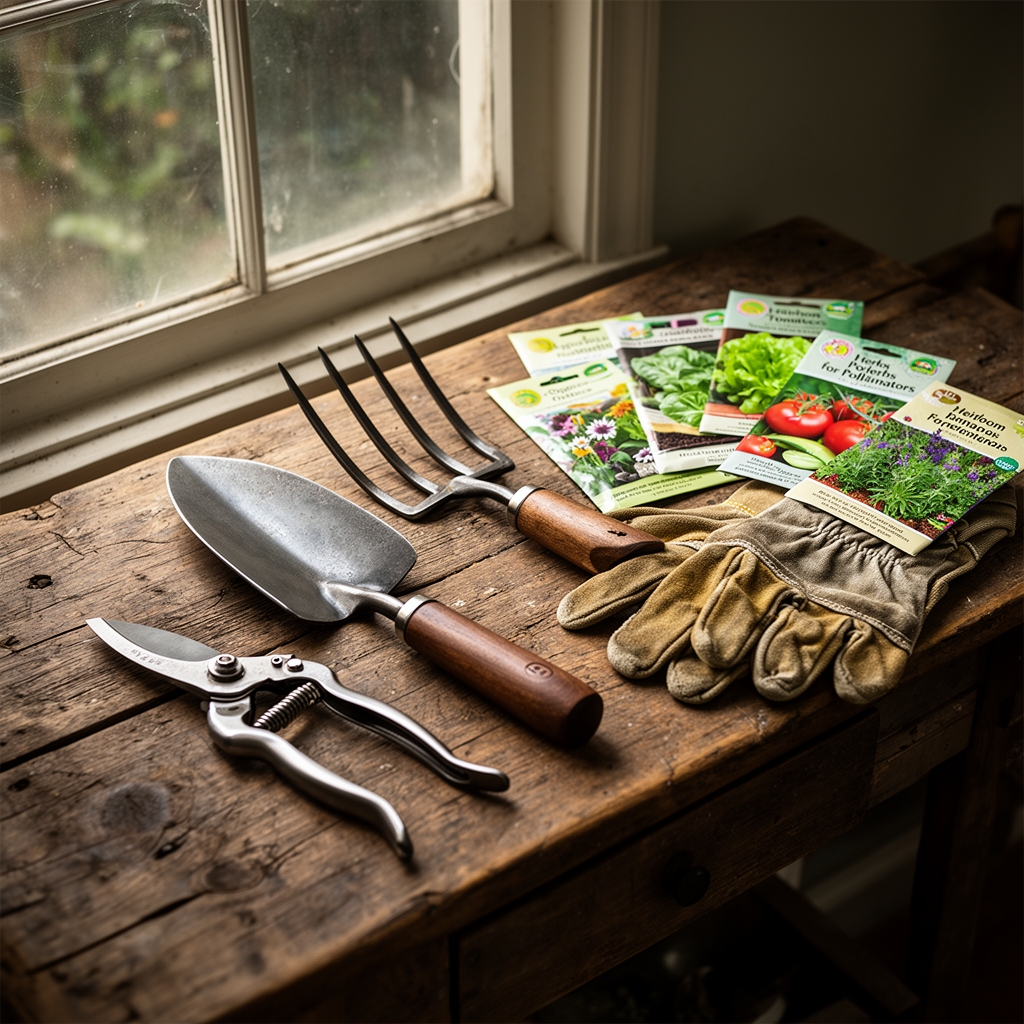
Fresh chicken manure registers pH 6.5 to 8.0 and holds approximately 1.5% nitrogen, 1.0% phosphorus, and 0.5% potassium by dry weight. Bedding material alters these ratios. Pine shavings dilute nitrogen to roughly 3-2-1 NPK, while straw-based litter may test closer to 2-1-1. Composted chicken manure stabilizes near pH 7.2 and delivers 4-4-2 NPK after a 120-day hot-composting cycle. Pelletized commercial products like Scratch & Peck Layer Manure standardize at 5-3-2 NPK and pH 6.8, offering predictable release curves for container growers.
Supplement chicken manure with gypsum (calcium sulfate) at 2 pounds per cubic yard of raw litter to bind excess sodium and improve soil structure. Add sulfur at 1 ounce per cubic yard if your native soil exceeds pH 7.5. Mycorrhizal fungi inoculants such as Rhizophagus irregularis colonize roots 40% faster when soil organic matter rises above 5%, a threshold chicken manure reaches after two growing seasons of annual application.
Timing
Apply aged chicken manure in Zones 3 through 6 between four and six weeks before the last spring frost. Soil microbes require temperatures above 50°F to mineralize organic nitrogen into plant-available nitrate. In Zones 7 through 9, side-dress warm-season crops in late March when soil reaches 55°F at the four-inch depth. Fall applications work best in Zones 8 through 10, broadcast eight weeks before the first frost so winter rains leach excess salts below the root zone.
Avoid spreading fresh manure within 90 days of harvest for leafy greens or root crops due to Salmonella and E. coli persistence. Composted manure aged beyond 120 days at 131°F or hotter meets USDA National Organic Program pathogen-reduction standards. Pelletized products carry negligible pathogen load and apply any time during the growing season.
Phases

Sowing: Broadcast composted chicken manure at 20 pounds per 100 square feet, then incorporate to the six-inch depth using a digging fork. Wait 14 days before direct-seeding lettuce, carrots, or brassicas. The two-week lag allows ammonia to convert to nitrate and prevents germination inhibition. Test soil EC (electrical conductivity) with a handheld meter; readings above 2.0 mS/cm require leaching with one inch of irrigation before planting.
Pro-Tip: Mix pelletized chicken manure at 1 tablespoon per gallon of seed-starting mix to boost auxin distribution in emerging radicles without salt stress.
Transplanting: Dig planting holes for tomatoes, peppers, and eggplants 12 inches deep. Place 1/4 cup of composted chicken manure at the eight-inch depth, cover with two inches of native soil, then set transplants. This layering feeds roots as they descend while keeping soluble salts away from tender stems. Water with 1/2 gallon per plant immediately after transplanting to settle soil and initiate microbial activity.
Pro-Tip: Prune tomato transplants to a 45-degree angle and bury stems horizontally in trenches amended with chicken manure at 1/2 cup per linear foot. Adventitious roots colonize the buried stem within 10 days, doubling root mass.
Establishing: Side-dress heavy feeders like corn, squash, and brassicas 30 days after transplanting. Apply 1/2 cup of composted manure per plant in a six-inch-radius ring, keeping material three inches from the stem. Scratch into the top two inches of soil with a hand cultivar. Repeat every 28 days through early fruit set. Container crops require 1 tablespoon per gallon of soil volume every 21 days, watered in with 1/4 gallon per application.
Pro-Tip: Foliar-feed with manure tea brewed at 1 pound composted chicken manure per 5 gallons of water, aerated for 24 hours. Spray at dawn to deliver soluble calcium and micronutrients directly to leaf stomata.
Troubleshooting
Symptom: Leaf margins scorch and curl upward within 48 hours of manure application.
Solution: Salt burn from fresh manure. Flood the area with three inches of water over six hours to leach sodium and chloride below the 12-inch depth. Withhold additional fertilizer for 45 days.
Symptom: Stunted growth and purple leaf veins despite adequate nitrogen.
Solution: Phosphorus lockout at pH above 7.8, common when raw poultry litter spikes alkalinity. Broadcast sulfur at 1 pound per 100 square feet and irrigate. Retest pH in 14 days; target 6.5.
Symptom: White crust on soil surface and slow seedling emergence.
Solution: Excess ammonia volatilization. Incorporate manure deeper and allow 21 days for microbial conversion to nitrate before seeding.
Symptom: Blossom end rot on tomatoes despite calcium-rich manure.
Solution: Irregular watering disrupts calcium transport. Maintain consistent soil moisture at 60% field capacity; deliver 1.5 inches of water per week in 0.5-inch increments.
Symptom: Fungus gnats and houseflies around manure piles.
Solution: Turn compost every five days during the thermophilic phase (131°F to 150°F) to disrupt larval cycles. Cover finished compost with burlap.
Maintenance
Monitor soil nitrogen monthly using a Hach nitrate test kit; maintain 20 to 40 ppm for fruiting crops and 40 to 60 ppm for leafy greens. Irrigate with 1 inch per week during vegetative growth, increasing to 1.5 inches during flowering and fruit set. Mulch around plants with two inches of straw to buffer soil temperature and slow nitrogen mineralization.
Top-dress perennial beds each spring with composted chicken manure at 10 pounds per 100 square feet. Gently rake into the top inch without disturbing root crowns. For lawns, broadcast pelletized manure at 15 pounds per 1,000 square feet in early April and again in September. Water with 0.5 inches immediately after application.
Rotate manure-amended plots annually to prevent phosphorus accumulation. Conduct soil tests every 24 months; phosphorus levels above 60 ppm suppress mycorrhizal colonization and contribute to runoff pollution.
FAQ
How long must chicken manure age before use?
Compost raw manure for 120 days with internal temperatures sustained at 131°F or higher for 15 days. This eliminates pathogens and reduces ammonia volatilization. Pelletized products require no aging.
Can chicken manure burn plants?
Yes. Fresh manure contains 0.8% to 1.5% ammonia nitrogen and soluble salts exceeding 4.0 mS/cm. Always compost or age for a minimum of 90 days before soil contact.
What is the best application rate?
Composted chicken manure applies at 20 pounds per 100 square feet annually for vegetable gardens, 10 pounds for perennial beds, and 15 pounds per 1,000 square feet for turf. Pelletized forms use half these rates due to concentration.
Does chicken manure acidify or alkalize soil?
Fresh litter trends alkaline (pH 7.5 to 8.0) due to uric acid breakdown. Composted manure stabilizes near neutral (pH 6.8 to 7.2). Long-term use raises soil pH by 0.2 to 0.4 units over five years.
How does chicken manure compare to cow or horse manure?
Chicken manure contains three times the nitrogen of cow manure (1.5% versus 0.5%) and twice that of horse manure. It mineralizes faster but requires more careful aging to prevent burn.