10 Easy Ways How to Make Rabbit Manure Tea
Rabbit manure tea transforms fresh pellets into a nitrogen-rich liquid fertilizer within 24 hours, delivering soluble nutrients directly to plant roots without the three-week curing period required for solid application. Learning how to make rabbit manure tea begins with understanding its unique cold-process advantage: rabbit pellets contain 2.4% nitrogen, 1.4% phosphorus, and 0.6% potassium in forms that release immediately into water, making it the fastest manure tea to prepare among all livestock options.
Materials
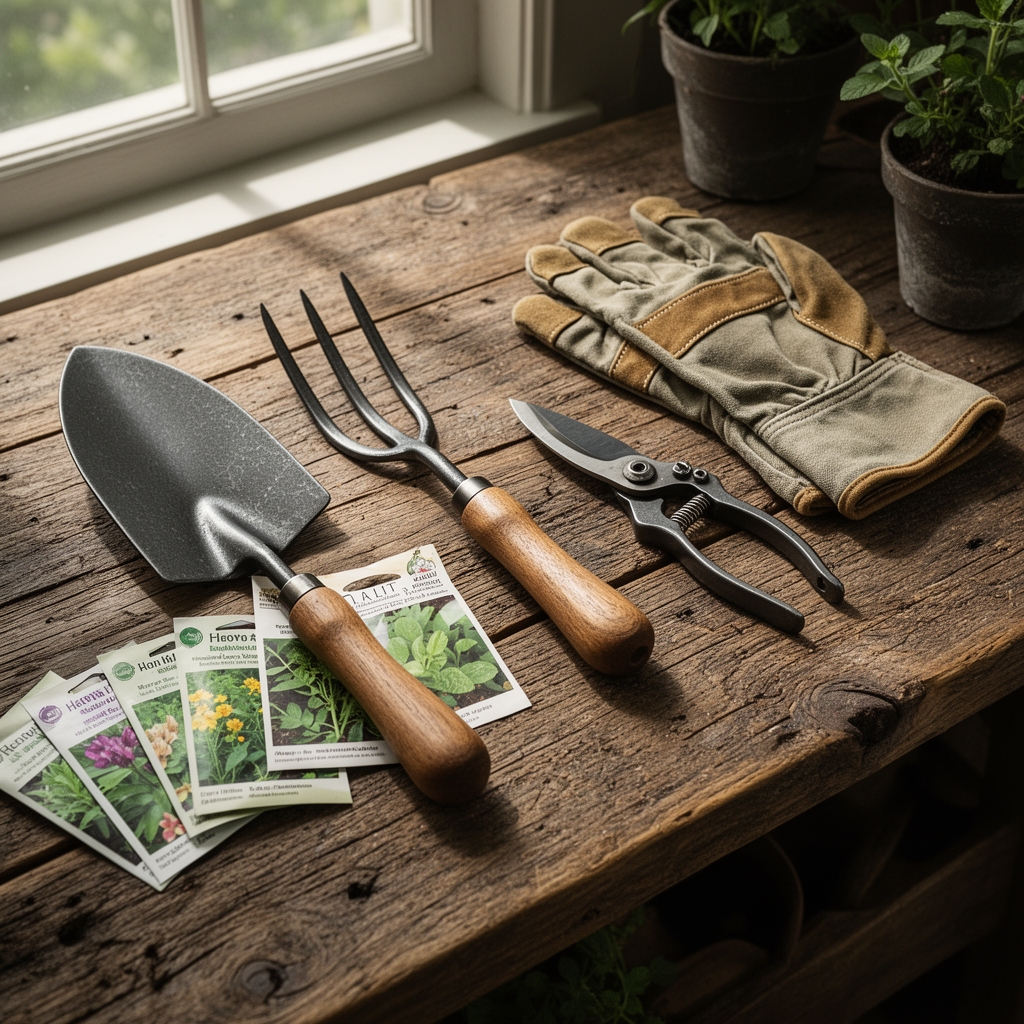
Fresh rabbit manure supplies the base NPK ratio of approximately 4-1-2 when calculated on a dry-weight basis. A five-gallon food-grade bucket serves as the primary brewing vessel. Non-chlorinated water preserves beneficial bacteria; municipal water requires 24-hour off-gassing to dissipate chlorine or immediate treatment with 1/4 teaspoon ascorbic acid per gallon. An aquarium air pump rated at 4 watts minimum with connected airstone maintains dissolved oxygen above 6 ppm, the threshold for aerobic decomposition. Unsulfured molasses at 1 tablespoon per gallon feeds bacterial colonies and chelates micronutrients, lowering solution pH from 7.8 to 6.5. A paint strainer bag or burlap sack contains pellets during steeping. A pH meter confirms the target range of 6.0 to 7.0 for maximum nutrient availability.
Optional amendments include kelp meal (1-0.1-2 NPK with 60+ trace minerals), rock phosphate for phosphorus boost to 4-4-2 ratio, or humic acid powder at 1/4 cup per batch to increase cation exchange capacity by 40%.
Timing
Gardeners in Hardiness Zones 3 through 7 should begin brewing rabbit manure tea two weeks after the last spring frost date when soil temperatures reach 55°F and transplants enter active growth. Zones 8 through 10 can apply tea year-round but should reduce nitrogen applications by 50% during winter dormancy periods from December through February.
Brew timing follows a 24 to 48-hour cycle. Temperatures between 65°F and 75°F optimize bacterial reproduction rates. Ambient temperatures below 60°F require indoor brewing or extending steep time to 72 hours. Summer temperatures above 80°F accelerate nutrient release but risk anaerobic pockets; monitor for sulfur odor indicating unsuccessful batch.
Phases

Initial Brewing: Fill the five-gallon bucket with four gallons of dechlorinated water. Add two cups of fresh rabbit manure pellets in the strainer bag. Submerge the bag and position the airstone directly beneath it. Add 1 tablespoon molasses. The air pump must run continuously. Foam accumulation within six hours indicates active bacterial growth. Pro-Tip: Inoculate the first batch with 1/4 cup established compost containing Trichoderma harzianum to introduce beneficial fungi that colonize root zones and suppress Pythium damping-off by 73%.
Steeping and Extraction: Agitate the bag every 12 hours by lifting and squeezing it 15 times. This physical action releases additional soluble compounds and prevents stratification. Color shifts from pale tan to deep amber indicate complete extraction. Test pH at 24 hours. If pH exceeds 7.5, add 1 teaspoon vinegar per gallon. Pro-Tip: Reserve 1 cup of finished tea as starter culture for the next batch, reducing lag phase by 40% and establishing consistent bacterial populations dominated by Bacillus species.
Application and Dilution: Strain finished tea through doubled cheesecloth into a separate container. Dilute at 1:1 ratio (one part tea to one part water) for foliar application or use full-strength for soil drenching. Apply 1 quart per 4 square feet of garden bed or 2 cups per container plant. Foliar feeding requires application before 10 AM to prevent leaf burn and allow four-hour absorption window before dew point. Pro-Tip: Apply to soil at a 45-degree angle toward the root zone rather than directly on stem crowns to prevent collar rot in susceptible species like tomatoes and peppers.
Troubleshooting
Symptom: Rotten egg odor after 18 hours. Solution: Anaerobic conditions dominate. Discard batch immediately. Increase air pump wattage to 10 watts minimum or add second airstone. Reduce manure quantity to 1.5 cups per four gallons.
Symptom: No foam formation within 12 hours. Solution: Insufficient bacterial activity. Water temperature likely below 60°F or chlorine remains present. Move bucket to warmer location. Add 1/4 cup live yogurt as emergency bacterial source.
Symptom: White fungal mats floating on surface. Solution: Beneficial mycelium growth. This indicates successful fungal colonization. Stir into solution before application to distribute Mycorrhizae spores.
Symptom: Leaf tip burn within 48 hours of foliar application. Solution: Excessive nitrogen concentration or midday sun exposure. Increase dilution to 1:3 ratio. Apply only during early morning hours when stomata are fully open but UV intensity remains below 4 on the UV Index.
Symptom: Sediment clogs sprayer nozzle. Solution: Inadequate filtration. Double-strain through paint filter rated at 100 microns after initial cheesecloth filtering. Reserve sediment for direct soil incorporation around established perennials.
Maintenance
Apply rabbit manure tea every 14 days during vegetative growth phases. Increase interval to 21 days once flowering initiates to prevent excessive nitrogen that delays fruit set. Provide 1 inch of supplemental water within two hours of soil application to drive nutrients into the root zone below 4 inches depth where feeder roots concentrate.
Store unused tea for maximum 72 hours in a sealed container at temperatures between 50°F and 60°F. Agitate stored tea for three minutes before use to redistribute settled particles. Re-aeration with aquarium pump for 30 minutes before application revives bacterial populations that decline during storage.
Clean brewing equipment after every third batch with 3% hydrogen peroxide solution to prevent biofilm accumulation that harbors anaerobic bacteria. Rinse thoroughly before next use.
FAQ
How long does rabbit manure tea remain effective after brewing?
Peak nutrient availability and bacterial counts occur between 24 and 48 hours post-brewing. Efficacy drops 30% after 72 hours even with refrigeration as bacterial populations enter death phase.
Can rabbit manure tea burn plants?
Fresh pellets contain low ammonia compared to chicken or horse manure. Full-strength soil application is safe for 90% of garden plants. Seedlings under four weeks old require 1:2 dilution.
What NPK ratio does finished tea contain?
Soluble extraction yields approximately 0.5-0.25-0.15 NPK in diluted form, classifying it as a gentle, fast-acting fertilizer suitable for weekly application during peak growing season.
Is aeration absolutely necessary?
Yes. Without continuous aeration, anaerobic bacteria produce phytotoxic compounds including hydrogen sulfide and butyric acid that kill beneficial soil microbes and damage root tissue within 36 hours of application.
Can dried rabbit pellets work equally well?
Dried pellets contain 60% less water-soluble nitrogen. Increase quantity to 3 cups per four gallons and extend brewing time to 48 hours minimum to achieve comparable nutrient extraction rates.