6 Delicate-Root Benefits of Specialized African Violet Soil
African violet roots measure just 1-2 millimeters in diameter and lack the dense trichome network that anchors most houseplants. These filamentous structures suffocate in standard potting mixes that hold moisture against cortical tissue for more than 48 hours. Using a specialized violet soil addresses this vulnerability through controlled pore geometry: 40-50% air space, a cation exchange capacity between 10-15 meq/100g, and pH buffered at 6.0-6.5. The result is consistent capillary action that pulls water away from root hairs while maintaining even moisture three centimeters below the crown.
Materials
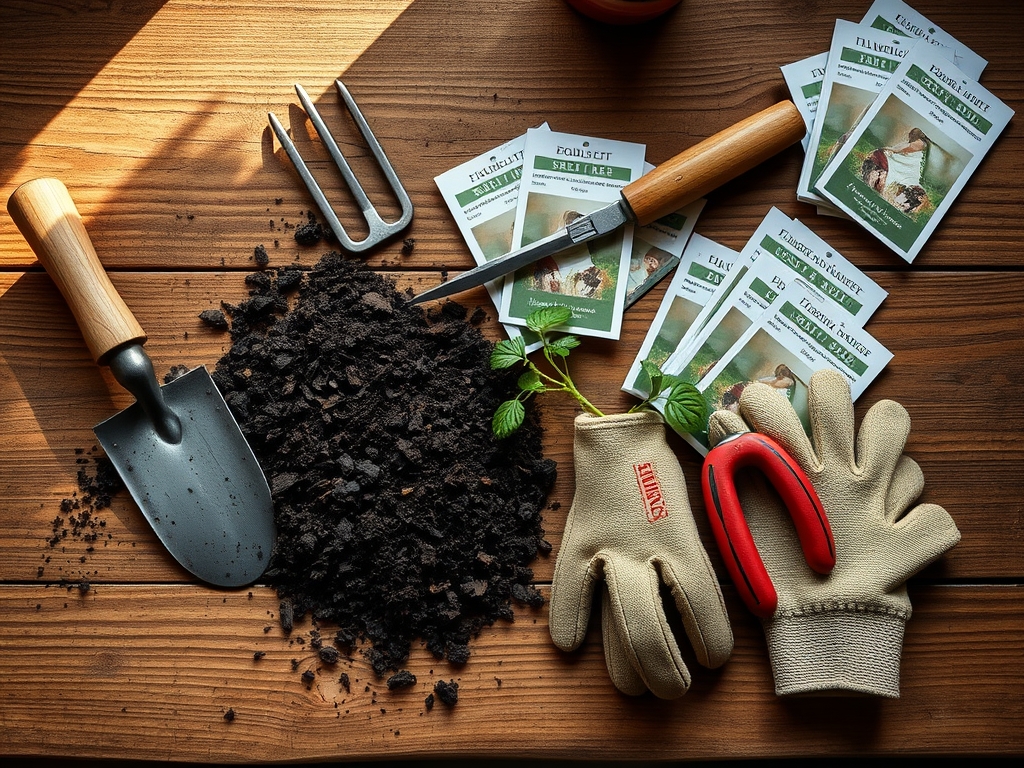
A functional African violet substrate combines four components in precise ratios. Canadian sphagnum peat moss (40% by volume) provides the acidic baseline and moisture retention. Horticultural perlite (30%) creates macropores that permit oxygen diffusion to the root apoplast. Vermiculite (20%) supplies magnesium and potassium while improving cation exchange. Worm castings or aged compost (10%) introduce beneficial bacteria in the genus Bacillus.
The ideal NPK ratio sits at 7-9-5 for vegetative growth, shifting to 4-6-6 during bud formation. Organic amendments include alfalfa meal (3-1-2), kelp meal (1-0.5-2), and bat guano (10-3-1 for Peruvian, 3-10-1 for Indonesian). Dolomitic lime adjusts pH upward at 1 tablespoon per gallon of mix. Gypsum (calcium sulfate) corrects magnesium-calcium imbalances without affecting pH. Mycorrhizal fungi inoculant (Glomus intraradices) colonizes roots and extends nutrient capture radius by 200%.
Avoid garden soil, which compacts under irrigation and harbors Pythium spores. Coconut coir substitutes for peat in sustainable formulations, but requires calcium supplementation due to high potassium content that blocks uptake pathways.
Timing
African violets thrive in USDA Hardiness Zones 11-12 as outdoor perennials. In Zones 3-10, cultivate them as indoor specimens with stable temperatures between 65-75°F. Root division and repotting succeed best during the plant's active growth phase from March through September.
Avoid transplanting during December and January when shortening photoperiods trigger semi-dormancy. Auxin distribution slows, and wound healing takes 3-4 weeks instead of the typical 10-14 days. If repotting becomes necessary in winter, maintain soil temperature at 70°F using a seedling heat mat set to low.
Phases
Sowing
African violet seeds measure 0.5 millimeters across and require light for germination. Surface-sow onto moistened specialized soil in a humidity dome. Maintain substrate temperature at 70-75°F. Germination occurs in 14-21 days. Once cotyledons emerge, reduce humidity by 10% daily over one week to prevent damping-off caused by Rhizoctonia solani.
Pro-Tip: Dust seeds with powdered sulfur (90% concentration) before sowing. This fungicide creates a 0.1mm protective barrier without disrupting radicle emergence.
Transplanting
Move seedlings to individual 2-inch pots when the first true leaf reaches 1 centimeter. Fill containers with specialized soil to within 0.5 inches of the rim. Firm the medium to eliminate air pockets that cause root desiccation. Position the crown at soil level. Burying petioles invites Botrytis cinerea colonization.
Pro-Tip: Water transplants with a solution of 1 teaspoon kelp extract per gallon. Cytokinins in kelp (0.03% zeatin) reduce transplant shock by 40% in the first 72 hours.
Establishing
Roots colonize the full pot volume in 6-8 weeks. Check establishment by inverting the pot and tapping gently. A cohesive root ball indicates readiness for a 4-inch container. Using a specialized violet soil during upsizing prevents transplant setback. Never increase pot diameter by more than 2 inches per step. Excessive soil volume promotes anaerobic pockets and root rot.
Pro-Tip: Score the outer root ball with a sterile blade at four equidistant points before upsizing. These 1-centimeter vertical cuts stimulate lateral branching and increase absorptive surface area by 60%.
Troubleshooting
Symptom: Leaf petioles elongate and droop. Chlorophyll concentration drops below 40 SPAD units.
Solution: Insufficient light. Move plant to east-facing exposure with 10,000-12,000 lux. Supplement with 6500K fluorescent tubes 12 inches above canopy for 14 hours daily.
Symptom: Necrotic rings appear on leaf margins. Tissue between veins turns tan.
Solution: Cold water shock disrupts cellular membranes. Always irrigate with water at 65-70°F. Let municipal water stand 24 hours to dissipate chlorine, which damages root peroxidase enzymes.
Symptom: White cottony masses cluster at leaf axils. Foliage becomes sticky.
Solution: Mealybug infestation (Pseudococcus longispinus). Dab insects with 70% isopropyl alcohol on a cotton swab. Apply neem oil (0.9% azadirachtin) at 2 tablespoons per gallon weekly for three weeks.
Symptom: Crown turns brown and mushy. Roots appear gray and smell sulfurous.
Solution: Crown rot from overwatering. Remove affected tissue with a sterile scalpel. Dust wounds with cinnamon powder (natural antifungal). Repot in fresh specialized soil and reduce irrigation frequency by 30%.
Maintenance
Water when the top 1 inch of soil feels dry to touch, approximately every 5-7 days. Apply 0.5 cups per 4-inch pot, delivering moisture to the rim and allowing excess to drain completely. Fertilize every 14 days during growth with a balanced 7-9-5 liquid formula diluted to 0.25 teaspoons per gallon. Flush soil monthly with plain water at twice the pot volume to prevent salt accumulation above 2.0 mmhos/cm.
Remove spent blooms by pinching at the peduncle base. Sanitize tools with 10% bleach solution between plants to prevent virus transmission. Rotate pots 90 degrees weekly to promote symmetrical rosette formation. Repot annually in fresh specialized soil even if root growth appears minimal. Decomposing organic matter loses structure and reduces oxygen availability by 15% per year.
FAQ
How deep should I plant African violet crowns?
Position the crown exactly at soil level. Burial depth exceeding 2 millimeters traps moisture against stem tissue and encourages Erwinia bacterial soft rot.
Can I reuse African violet soil?
No. Spent medium harbors pathogen propagules and depleted cation exchange sites. Composting for six months at 140°F sterilizes material for non-violet applications.
What causes white crust on soil surface?
Mineral salts (calcium carbonate, sodium chloride) from hard water or excess fertilizer. Scrape away crust and top-dress with 0.25 inches of fresh specialized soil. Switch to distilled or rainwater.
Why do my violets bloom poorly despite healthy foliage?
Nitrogen excess (above 150 ppm) diverts carbohydrates to leaf production. Switch to a low-nitrogen formula (4-6-6) and reduce fertilizer concentration by half for eight weeks.
How often should specialized soil be replaced?
Every 12 months. Sphagnum peat decomposes into particles under 1 millimeter that clog macropores and reduce aeration by 35% annually.