9 Oil-Based Steps for Treating Mealybugs with Horticultural Oil
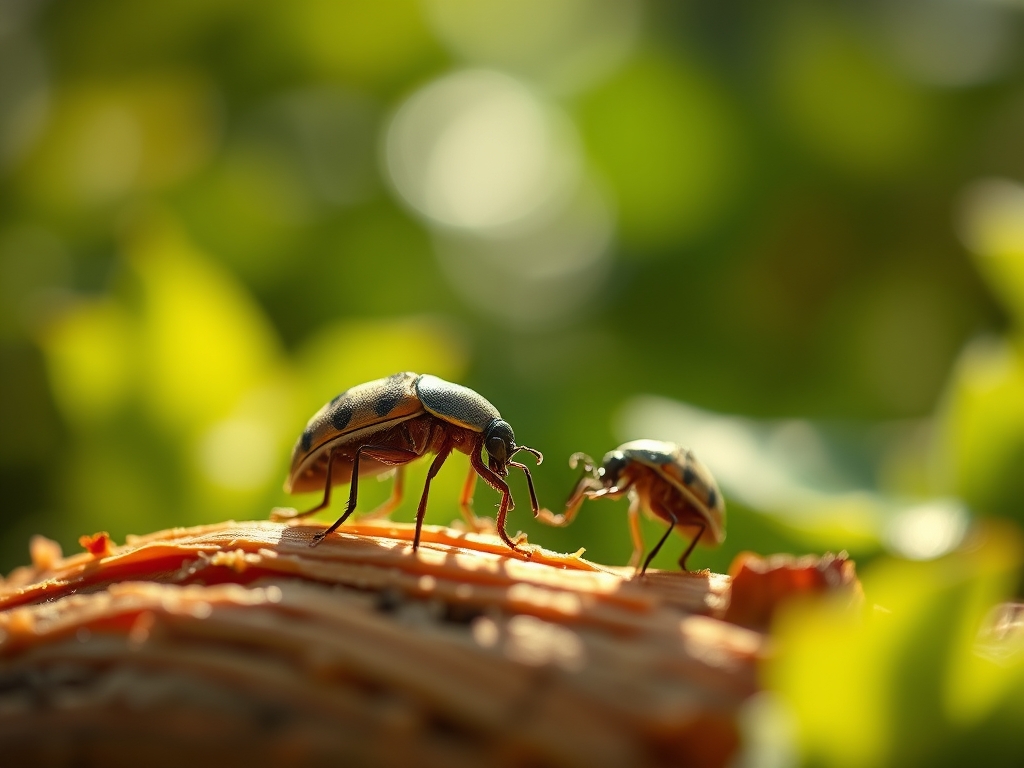
Mealybugs form white cottony clusters on leaf axils and stems, sucking phloem sap until plants weaken and die. Horticultural oil interrupts their respiratory system by coating the waxy exoskeleton, but success depends on precise application technique. The steps for treating mealybugs with oil spray involve identification, oil selection, dilution ratios, coverage method, timing, repeat applications, environmental monitoring, post-treatment inspection, and systemic follow-up. Each phase addresses a specific weakness in the mealybug life cycle while protecting plant tissue from phytotoxic stress.
Materials
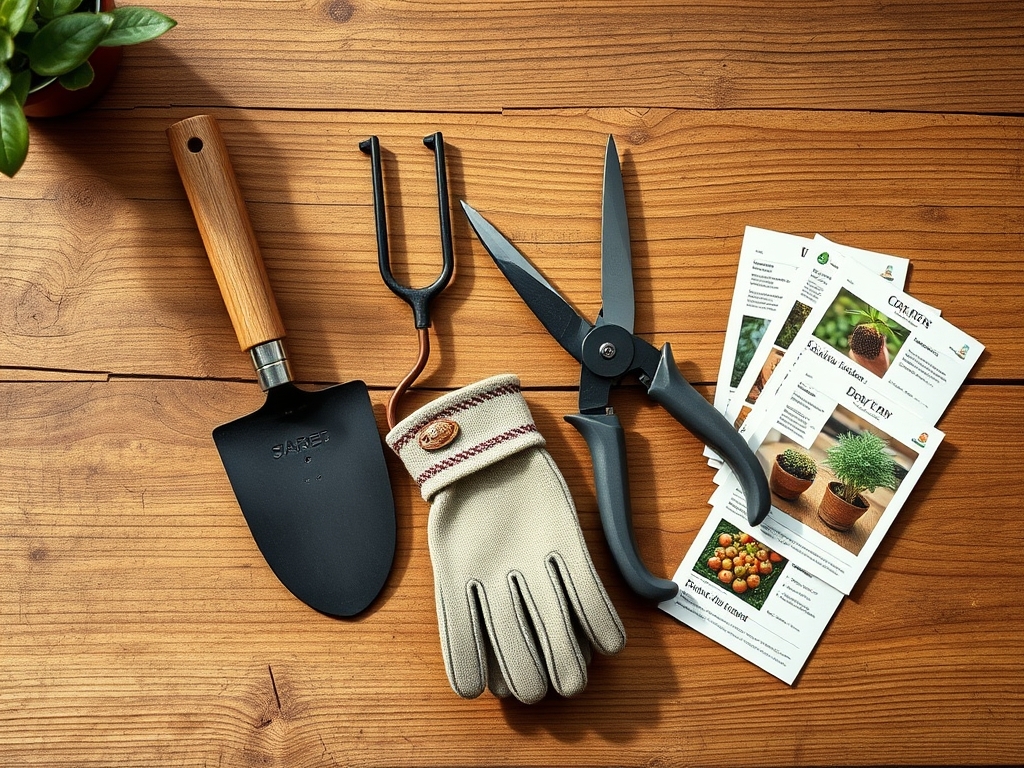
Horticultural oil functions as a petroleum-based or plant-derived suffocant. Select oils with a viscosity rating between 60 and 70 seconds Saybolt, which ensures adequate coverage without clogging stomata. Petroleum-based options include paraffinic oils refined to remove phytotoxic aromatic compounds. Plant-derived alternatives use neem (Azadirachta indica) or cottonseed oil, which carry mild systemic properties but require neutral pH water (6.5-7.0) for emulsion stability.
Spray equipment must deliver 40-60 psi at the nozzle to atomize oil into droplets under 100 microns. A compression sprayer with adjustable brass nozzle works for small collections. For greenhouse operations, invest in a backpack sprayer with a fan-tip nozzle and pressure regulator.
Additional materials include isopropyl alcohol (70% concentration) for initial spot treatment, distilled water to prevent mineral buildup in spray lines, and a pH test kit. Surfactants such as insecticidal soap (potassium salts of fatty acids at 1-2%) improve oil adhesion on waxy leaf cuticles. Avoid mixing oil with sulfur-based fungicides or copper compounds, which trigger phytotoxicity when combined.
For soil health during treatment, maintain mycorrhizal fungi populations with a low-nitrogen organic amendment (4-4-4 NPK ratio). Excessive nitrogen increases succulent growth that attracts secondary infestations.
Timing

Mealybugs reproduce fastest between 70-85°F. In USDA Hardiness Zones 9-11, populations surge year-round, requiring vigilance in every season. Zones 5-8 see peak activity from late spring through early autumn, aligning with indoor houseplant migration outdoors.
Apply horticultural oil when ambient temperature remains between 45-85°F. Above 85°F, oil evaporates too slowly and blocks stomata, causing leaf burn. Below 45°F, oil viscosity increases, reducing coverage and penetration into mealybug colonies.
Spray during early morning or late afternoon when stomata partially close. Avoid midday applications in full sun. Humidity above 50% extends drying time but improves oil spread across the leaf surface.
Check the last frost date for your zone before moving treated plants outdoors. In Zone 6, this falls around May 15. In Zone 9, risk drops by February 1. Cold stress after oil treatment magnifies leaf damage because cuticle permeability temporarily increases.
Phases
Step 1: Identification and Isolation
Examine leaf undersides, stem joints, and root crowns for white waxy clusters. Mealybugs congregate where auxin distribution concentrates, particularly on new growth tips. Use a hand lens to confirm segmented bodies and filamentous legs. Isolate infested plants immediately. Place them 10 feet from healthy specimens to prevent crawler migration.
Pro-Tip: Introduce a sticky trap 6 inches from the soil line to capture crawlers that drop during disturbance.
Step 2: Manual Removal and Alcohol Spot Treatment
Dip a cotton swab in 70% isopropyl alcohol and touch each visible mealybug. Alcohol dissolves the waxy coat instantly. Repeat on egg sacs, which appear as cottony masses in leaf axils. This step reduces population density before oil application.
Pro-Tip: Prune heavily infested stems at a 45-degree angle to promote lateral bud activation while removing pest reservoirs.
Step 3: Oil Dilution
Mix horticultural oil at 2-3 tablespoons per gallon of water. For dormant-season applications on deciduous woody plants, increase to 5 tablespoons per gallon. Shake the sprayer every 30 seconds to maintain emulsion stability. The cation exchange capacity of hard water disrupts oil droplets, so use distilled or rainwater.
Pro-Tip: Add 1 teaspoon insecticidal soap per gallon to improve oil adhesion on succulent or waxy-leafed species like jade or hoya.
Step 4: Coverage Application
Spray until runoff drips from leaf tips. Target undersides, petioles, and stem crevices where crawlers hide. Hold the nozzle 8-12 inches from the plant. Overlap each pass by 50% to avoid coverage gaps. Treat the soil surface within 2 inches of the stem to suffocate crawlers on organic debris.
Pro-Tip: Rotate the plant 90 degrees every 20 seconds to ensure even coverage on three-dimensional structures like rosettes and dense canopies.
Step 5: Drying Period
Allow oil to dry for 4-6 hours before moving plants. Avoid misting or watering during this window. The oil film requires contact time to penetrate mealybug spiracles. Forced air circulation from a fan set on low accelerates drying without disturbing the oil layer.
Step 6: Repeat Application Schedule
Reapply oil every 7-10 days for three total treatments. This interval targets newly hatched crawlers before they mature and reproduce. Egg sacs resist oil penetration, so multiple applications disrupt the generational cycle.
Step 7: Environmental Monitoring
Track temperature and humidity daily. If temperature exceeds 85°F, delay application until evening. If humidity drops below 30%, mist plants lightly 2 hours before spraying to open stomata and improve oil absorption into the epidermis.
Step 8: Post-Treatment Inspection
Seven days after the final oil spray, inspect plants under magnification. Check for live crawlers, sticky honeydew residue, and sooty mold growth. Wipe leaves with a damp cloth to remove dead mealybugs and honeydew, which attract ants that protect mealybug colonies from predators.
Pro-Tip: Release Cryptolaemus montrouzieri (mealybug destroyer beetles) at a rate of 5 per infested plant after oil residues dissipate. These predators consume 250 mealybugs during larval development.
Step 9: Systemic Follow-Up
Apply a systemic insecticide containing imidacloprid at 0.25 grams per gallon of water as a soil drench. The plant uptake translocates active ingredients through xylem tissue, poisoning mealybugs that escaped oil contact. Use this step only for severe infestations on ornamental plants. Edible crops require organic alternatives like neem oil drenches.
Pro-Tip: Amend soil with composted bark to boost beneficial microbe populations that outcompete fungal pathogens encouraged by honeydew deposits.
Troubleshooting
Symptom: Yellowing leaves with stippled patterns after oil application.
Solution: Phytotoxicity from over-application or high temperature. Rinse foliage with water immediately. Reduce oil concentration to 1 tablespoon per gallon for sensitive species like ferns or African violets.
Symptom: White residue persists after treatment.
Solution: Soap residue or mineral deposits from hard water. Spray leaves with distilled water and wipe with a microfiber cloth. Switch to rainwater for future mixes.
Symptom: Mealybugs reappear within 5 days.
Solution: Incomplete coverage or missed egg sacs. Increase spray pressure to 60 psi. Inspect root crown and repot if mealybugs colonize the root ball.
Symptom: Sooty mold develops on leaves.
Solution: Honeydew residue feeds fungal growth. Wipe leaves with a solution of 1 tablespoon baking soda per quart of water. Improve air circulation to reduce humidity.
Symptom: Leaf drop after second application.
Solution: Oil accumulated in stomata. Skip the third treatment. Increase ambient light to 200-400 foot-candles to support photosynthetic recovery.
Maintenance
Water plants with 1 inch per week, measured with a rain gauge. Overwatering encourages soft growth that attracts mealybugs. Check soil moisture at 2 inches depth with a moisture meter before irrigating.
Feed with a balanced organic fertilizer (5-5-5 NPK) every 6 weeks during active growth. Avoid high-nitrogen formulas (10-2-2) that produce succulent tissue with low lignin content. Mealybugs prefer tender growth with high amino acid concentrations.
Prune dead or damaged stems monthly to remove potential pest harborages. Sterilize shears with 10% bleach solution between cuts to prevent pathogen spread. Dispose of pruned material in sealed bags, not compost bins.
Inspect plants weekly with a 10x hand lens. Early detection prevents exponential population growth. Mealybugs reproduce parthenogenetically, so a single overlooked individual restarts an infestation.
Introduce beneficial insects like lacewings (Chrysoperla rufilabris) or parasitic wasps (Leptomastix dactylopii) in greenhouses. Maintain populations with nectar-producing plants like alyssum or dill. Avoid broad-spectrum insecticides that kill predators.
FAQ
How often should I apply horticultural oil for mealybugs?
Apply every 7-10 days for three treatments. This schedule targets egg hatch cycles and eliminates overlapping generations.
Can I use horticultural oil on edible plants?
Yes, but choose food-grade neem oil and wash produce thoroughly before consumption. Allow 3 days between final application and harvest.
Why do mealybugs return after oil treatment?
Oil does not kill eggs inside waxy sacs. Repeat applications suffocate crawlers as they emerge. Root-feeding mealybugs require soil drenches with systemic products.
What temperature is safest for oil sprays?
Apply between 45-75°F. Higher temperatures increase phytotoxicity risk. Lower temperatures reduce oil effectiveness.
Will oil harm beneficial insects?
Direct contact kills soft-bodied beneficials like ladybugs. Spray in early morning before pollinators become active. Release predatory insects 5 days after the final oil application.