7 Pro Ways How to Build a Garden Pergola
The scent of bruised cedar and the cold, mineral dampness of freshly turned subsoil signal the start of a structural intervention. A pergola is not merely an aesthetic addition; it is a framework for managing light intensity and vertical growth in the rhizosphere. To master how to build a garden pergola, one must treat the project as a permanent architectural support for heavy woody vines and climbing perennials. Structural integrity depends on the soil's load-bearing capacity and the moisture levels at the four-foot frost line.
Success requires understanding the physical properties of the site. A poorly anchored pergola will succumb to wind shear or the sheer weight of a mature Wisteria sinensis during peak turgor pressure. We focus on the intersection of engineering and horticulture, ensuring the ground can support the static load of timber and the dynamic load of biomass. This guide provides the technical protocols to ensure your structure survives decades of seasonal expansion and contraction.
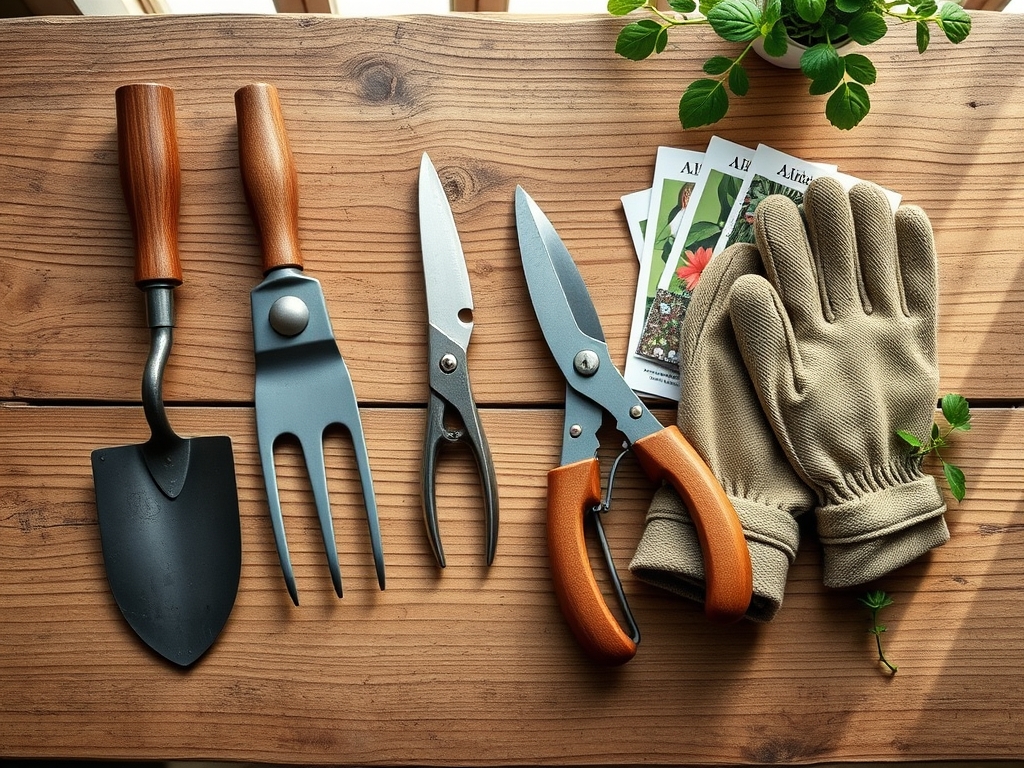
Materials:
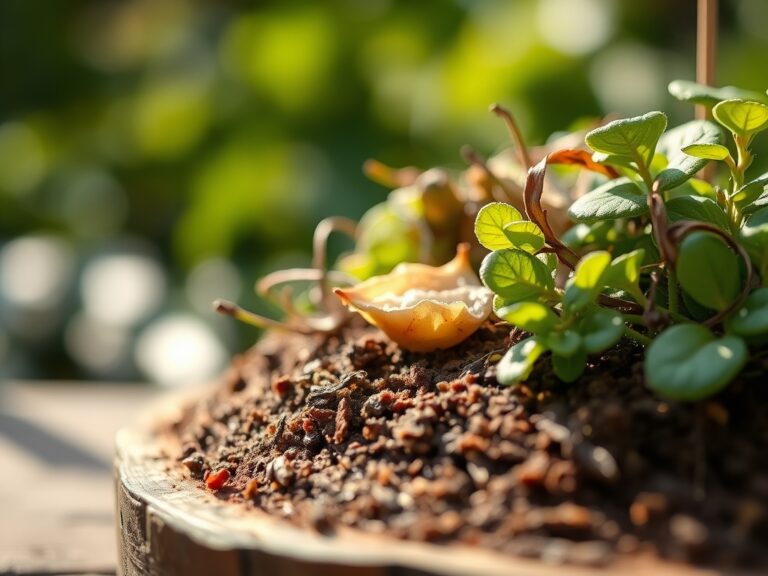
The foundation of a pergola begins in the soil. For optimal stability and plant health, the surrounding substrate should be a friable loam with a pH between 6.0 and 7.0. This range ensures maximum bioavailability of micronutrients. If the soil is heavy clay, the Cation Exchange Capacity (CEC) will be high, meaning it retains water and nutrients but may suffer from poor drainage, leading to root rot in climbing species.
Before setting posts, amend the surrounding planting area with a balanced NPK ratio of 10-10-10 to support initial root establishment for your climbers. If you are planting heavy feeders like climbing roses, adjust to a 5-10-5 ratio to prioritize phosphoric acid for root and bloom development over excessive nitrogenous foliage growth. Use pressure-treated lumber rated for ground contact or naturally rot-resistant species like Western Red Cedar or Black Locust.
Timing:
Construction and planting must align with the Biological Clock of your specific Hardiness Zone. In Zones 5 through 7, structural work is best completed in late winter or early spring while the ground is workable but before the vernalization period ends. This timing allows you to install the pergola without disturbing the active vegetative growth of nearby perennials.
The transition from the vegetative stage to the reproductive stage in climbing plants is governed by the photoperiod. By installing the structure in the dormant season, you ensure that as soon as soil temperatures reach 55 degrees Fahrenheit, the plants can begin their upward climb. This maximizes the first growing season and allows the root system to establish before the heat of the summer increases the evapotranspiration rate.
Phases:
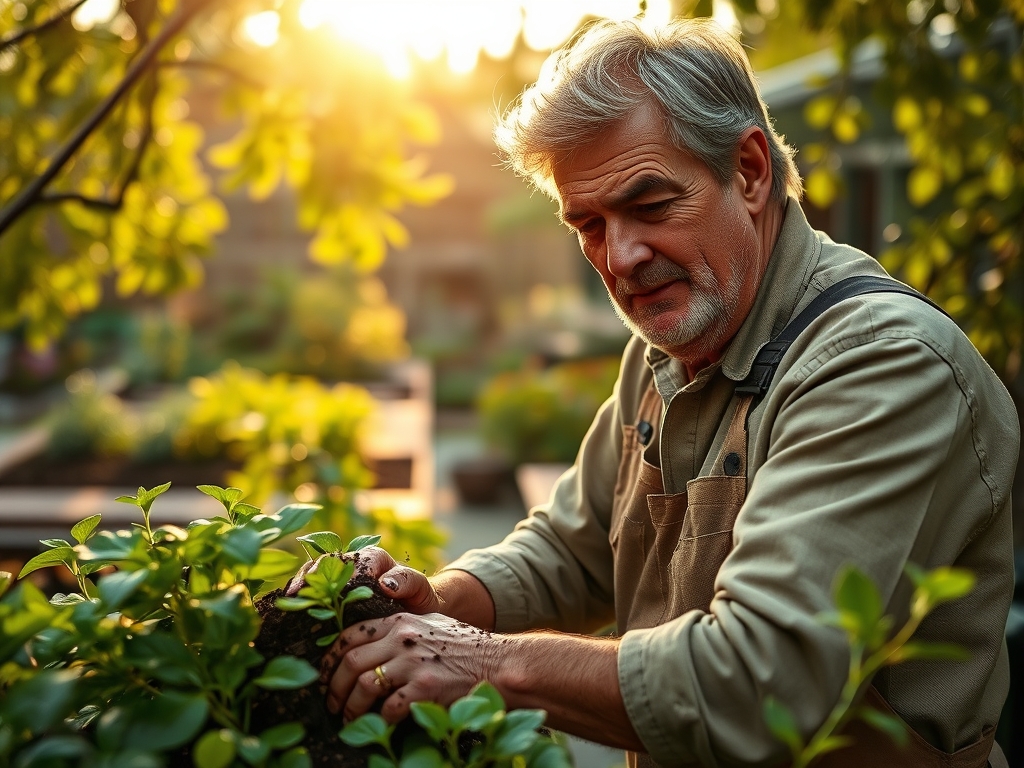
Sowing and Site Preparation
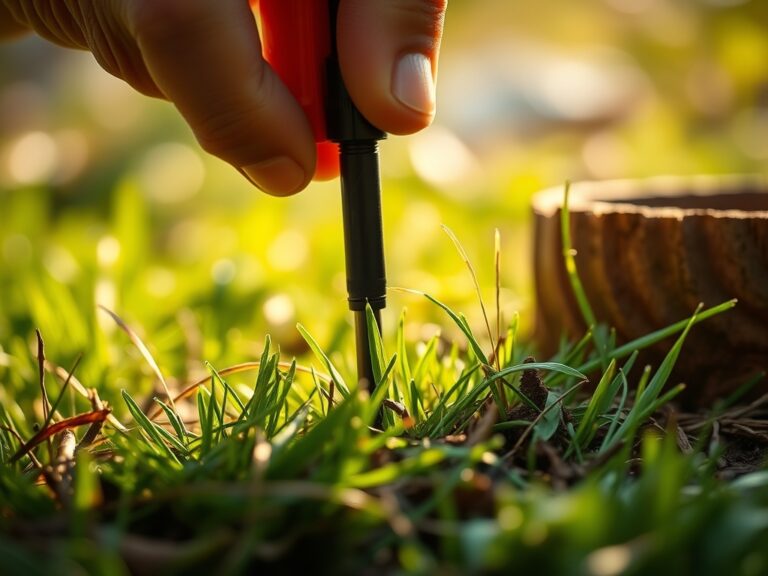
Clear the area of all competing vegetation within a three-foot radius of each post location. Dig post holes to a depth of at least 36 inches, or below the local frost line, to prevent heave. Use a soil moisture meter to ensure the ground is not saturated before pouring concrete; excess water in the hole will dilute the aggregate mix and weaken the structural bond.
Pro-Tip: When backfilling around the posts, leave a small gap for organic mulch. This encourages mycorrhizal symbiosis, where beneficial fungi extend the root system's reach, improving the plant's ability to uptake phosphorus and water.
Transplanting the Climbers
Once the structure is cured and stable, introduce your climbing species. Dig a hole twice the width of the root ball. Position the plant at a 45-degree angle toward the pergola post. This physical orientation utilizes thigmotropism, the biological response of a plant to touch, encouraging it to wrap around the support structure naturally.
Pro-Tip: Avoid burying the root flare. Keeping the flare exposed prevents bark decay and ensures proper gas exchange in the rhizosphere, the critical zone where roots and soil microbes interact.
Establishing and Training
As the primary shoots emerge, use soft ties to secure them to the posts. This phase is critical for managing auxin suppression. By training the main stems vertically, you concentrate auxins at the growing tips, promoting height. If you want more lateral coverage on the rafters, bend the stems horizontally to break apical dominance and trigger secondary bud growth.
Pro-Tip: Utilize the principle of phototropism by ensuring the pergola rafters are spaced 12 to 16 inches apart. This allows sufficient light penetration to the lower leaves, preventing premature senescence or leaf drop at the base of the plant.
The Clinic:
Physiological disorders often manifest when the structural environment clashes with the plant's biological needs. Monitor your climbers for these specific markers of distress.
- Symptom: Interveinal chlorosis (yellowing between leaf veins) on new growth.
- Solution: This indicates a Manganese or Iron deficiency, often caused by high soil pH. Apply a chelated iron drench to lower the pH and restore nutrient uptake.
- Symptom: Stunted growth and dark purple tinting on older leaves.
- Solution: This is a classic Phosphorus deficiency. Incorporate bone meal or a high-phosphate fertilizer into the top two inches of soil using a hori-hori knife.
- Symptom: Marginal leaf burn or "scorching" on the edges of the foliage.
- Solution: This usually results from potassium deficiency or excessive salt buildup from synthetic fertilizers. Flush the soil with 2 inches of water and switch to a low-salt organic nutrient source.
Maintenance:
A pergola-supported ecosystem requires rigorous hydration and pruning schedules. Provide exactly 1.5 inches of water per week at the drip line. Use a soil moisture meter to verify that the moisture has penetrated at least 6 inches deep. Surface watering encourages shallow root systems that are vulnerable to drought and temperature fluctuations.
Pruning is essential to prevent the biomass from overwhelming the timber frame. Use bypass pruners for clean cuts that heal quickly. Remove any "dead, damaged, or diseased" wood immediately to prevent the spread of fungal pathogens. In late winter, perform a structural prune to thin out old wood and encourage the growth of vigorous new fruiting or flowering spurs.
The Yield:
If your pergola supports viticulture (grapes) or hops, harvest timing is determined by Brix levels (sugar content). For grapes, wait until the fruit reaches a Brix reading of 18 to 22. Use sharp shears to cut the entire cluster; do not pull the fruit, as this damages the vascular tissue of the vine.
For floral yields like jasmine or clematis, harvest in the early morning when turgor pressure is at its highest. This ensures the stems are fully hydrated. Immediately plunge the cut ends into cool water to maintain "day-one" freshness and prevent the vascular system from air-locking, which causes premature wilting.
FAQ:
What is the best wood for a garden pergola?
Western Red Cedar and Redwood are superior due to natural tannins that resist decay and insects. Pressure-treated pine is a cost-effective alternative for ground-contact posts, provided it is rated for a 30-year burial life.
How deep should pergola posts be buried?
Posts must reach below the local frost line, typically 36 to 48 inches. This prevents frost heave from displacing the structure. In sandy soils, deeper footings or wider concrete bases are required to counteract low soil cohesion.
Can I grow heavy vines like Wisteria on a pergola?
Yes, but the structure must use 6×6 posts and 2×8 rafters. Mature Wisteria can exert thousands of pounds of pressure. Regular pruning is required to manage the weight and ensure the timber does not fracture under the load.
How do I prevent wood rot at the base?
Elevate the post slightly above the bottom of the concrete footing using a gravel base for drainage. Use a metal post base to keep the wood from direct contact with the soil, reducing the risk of fungal colonization.
When is the best time to plant climbers?
Plant in early spring or autumn when soil temperatures are between 50 and 65 degrees Fahrenheit. This allows for root establishment without the stress of high summer evapotranspiration rates or the dormancy of deep winter.